 0
0
 0
0
As Nigeria’s political landscape heats up ahead of the 2027 general elections, a faction of the Peoples Democratic Party (PDP) has firmly denied any coordinated plans to position former President Goodluck Jonathan as the party’s presidential candidate, even as a rival splinter group moves aggressively to ratify him.
The denial underscores the PDP’s prolonged internal crisis, marked by parallel structures, court battles, and competing claims to legitimacy.
The PDP, once Nigeria’s dominant ruling party, has been mired in leadership disputes since losing power in 2015.
Multiple factions now claim authenticity, with the Independent National Electoral Commission (INEC) recognizing certain structures while others operate in legal limbo.
Key fault lines involve figures like Minister of the Federal Capital Territory Nyesom Wike, former Vice President Atiku Abubakar, and others vying for control.
Against this backdrop, speculation about Jonathan’s potential return gained momentum in 2026.
A faction led by former Minister Kabiru Tanimu Turaki (often referred to as the Turaki-led or Seyi Makinde-aligned group in some reports) has actively promoted Jonathan, granting him a waiver from screening and clearing him as its sole presidential aspirant.
On May 19, 2026, the faction’s screening committee, chaired by former Niger State Governor Babangida Aliyu (also reported as Muazu Aliyu), announced the waiver.
Citing Jonathan’s prior roles, deputy governor, governor, vice president, and president they declared no further screening was needed. “He has been declared and cleared as a candidate of the PDP for the presidential election,” Aliyu stated.
The Turaki faction scheduled a special national convention for May 30 (or Saturday following recent announcements) at A’ Class Event Centre in Wuse 2, Abuja, to formally ratify Jonathan.
Invitations were issued under the faction’s Interim National Working Committee, signed by figures like National Publicity Secretary Ini Ememobong.
In contrast, factions aligned with the INEC-recognized leadership or Wike’s influence have pushed back.
A Wike-backed PDP group explicitly stated that Jonathan has not purchased nomination forms from them and is not aligned with their structure.
Mohammed Haruna Jungudo, National Publicity Secretary of that NWC, told reporters: “Goodluck has not purchased our form yet and he has not been romancing with us, so we are not expecting him to come… You are not talking to Kabiru Turaki’s group.”
This denial echoes earlier statements from the broader PDP. In late 2024, the party’s then-Deputy National Publicity Secretary, Ibrahim Abdullahi, debunked rumors of wooing Jonathan or issuing him a ticket, affirming his eligibility under the constitution (which limits presidents to two terms, with Jonathan having served one full term plus succession) but clarifying no formal invitation or plan existed at the party level.
Another faction has reportedly adopted former Senator Sandy Onor as its consensus presidential candidate, further illustrating the parallel tracks within the PDP.
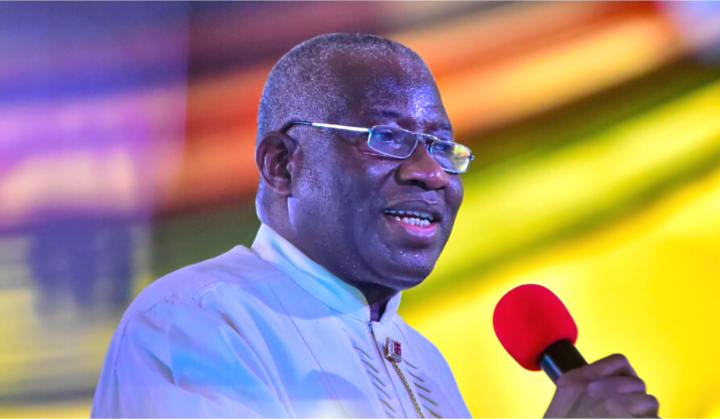
Former President Jonathan, who has largely stayed out of active politics since leaving office in 2015, has not publicly confirmed or denied interest in 2027.
He did not appear for screening and has maintained a low profile, fueling mystery. A federal High Court in Abuja recently dismissed a suit challenging his eligibility, ruling he can contest and awarding costs against the plaintiff, a decision hailed by the Turaki faction.
Jonathan’s team has engaged in consultations, and some PDP chieftains claim he remains a party member eligible to vie. However, observers note the absence of typical campaign signals like form purchases, public declarations, or photo ops.
Political analyst Victoria N. Ikeano described it as a “mystery,” suggesting it could be a strategic ruse or factional maneuvering.
SB E-news.


Related posts:
Protests, mayhem or riots? by Tahir Ibrahim Tahir Talban Bauchi. www.sbenews.com.ng www.efficiency.c...
Go And Read Why We Supported Peter Obi; It Is Not A Question Of Capability Or Ability - Pa Adebanjo
EDO 2024: IZE-IYAMU QUITS GOVERNORSHIP RACE, CITES PERSONAL REASONS www.sbenews.com.ng www.efficienc...
About the Author