0
0
 0
0
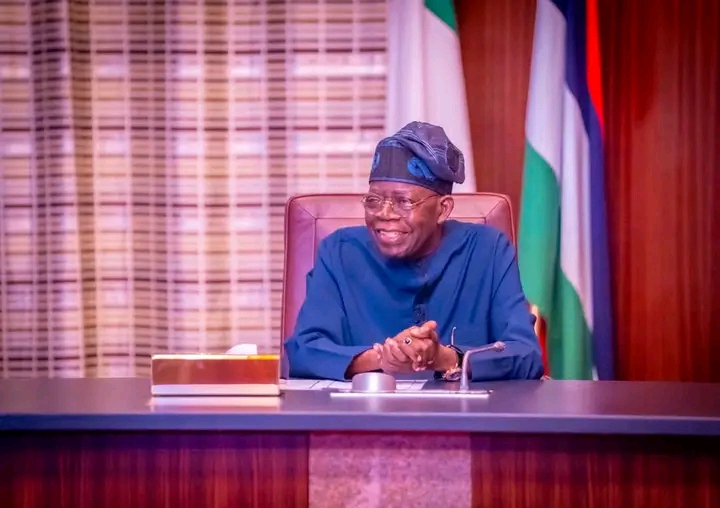
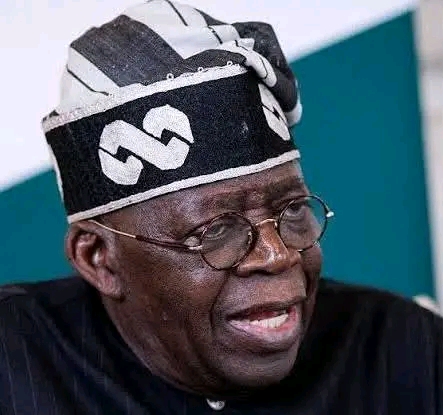
Nigeria stands today at a historic breaking point, a moment when indifference has become dangerous and silence has turned into complicity. This is no longer a contest of party flags, campaign slogans, or media theatrics. It is a naked confrontation between a nation groaning under engineered hardship and a ruling political order that has converted incompetence into state policy. As 2027 approaches, the national equation is brutally clear and morally unavoidable: Atiku Abubakar and the suffering Nigerian people versus APC and the Tinubu catastrophe.
This election is not about sentiment. It is about survival.
Nigeria’s tragedy is not that it lacks resources, talent, or ideas. Nigeria’s tragedy is that it has been ruled for too long by leaders who neither understand the economy nor empathise with the people. Under the APC, Nigeria has sunk to depths once thought impossible. Today, more than 133 million Nigerians live in multidimensional poverty, a grim record that places Nigeria as the poverty capital of the world. Inflation has soared beyond 30 percent, turning food into a luxury and wages into a cruel joke. Youth unemployment and underemployment oscillate between 40 and 50 percent, producing a generation trapped between education and hopelessness. The naira has been violently devalued, erasing savings, destroying purchasing power, and humiliating the dignity of labour.
These figures are not abstract statistics to be debated in air-conditioned studios. They are lived experiences etched into daily existence.
In Ibadan, a retired teacher watches his pension dissolve under inflation, choosing between medication and food. In Katsina, a farmer abandons his land not because he is lazy but because insecurity and rising costs have made farming suicidal. In Onitsha, a trader counts customers who browse but cannot buy, as hunger empties pockets faster than shelves can be restocked. Across Nigeria, effort has been divorced from reward, and survival has replaced aspiration. This is the social reality APC governance has normalised.
Yet, in the midst of this national pain, the ruling party offers Nigerians contempt instead of accountability. Electricity remains epileptic, forcing small businesses to burn scarce capital on generators and fuel. Public universities continue to groan under unresolved labour disputes, recurring strike threats, disrupted academic calendars, and deepening decay, mortgaging the future of millions of young Nigerians and trapping them in uncertainty. Healthcare has become a privilege reserved for the wealthy, while the poor resort to prayer, pain, self-medication, and premature death. Insecurity spreads relentlessly from highways to farms and villages, even as official rhetoric pretends normalcy and governance is reduced to press statements.
This collapse did not fall from the sky. It was designed, sustained, and defended.
Chinua Achebe’s timeless diagnosis remains painfully accurate: “The trouble with Nigeria is simply and squarely a failure of leadership.” Today, that failure has ripened into a full-blown national emergency. Institutions are weakened, poverty is rebranded as resilience, and suffering is preached as sacrifice. But Nigerians must be clear-eyed enough to say it without apology: this crisis is not inevitable; it is man-made.
This is why Atiku Abubakar represents not a sentimental choice but a strategic necessity for Nigeria’s survival and recovery.
Leadership is not performance art. Leadership is capacity.
Atiku Abubakar brings to the table what Nigeria desperately lacks at this critical juncture: experience at scale, economic competence, institutional memory, and a clear understanding of how modern economies function. As Vice President, he was central to one of Nigeria’s most consequential reform periods, including telecommunications liberalisation, banking consolidation, and private-sector-driven economic expansion. These reforms did not happen by accident. They happened because leadership understood systems, respected expertise, and allowed competence to breathe.
Those years proved an enduring truth: when governance is anchored in knowledge and experience, progress follows.
Nigeria today does not need another experiment dressed as bravery. It does not need theatrical toughness or ideological arrogance. It needs a leader who understands that governance is about stabilising the economy, restoring investor confidence, creating jobs, strengthening institutions, and centring the dignity of the citizen. APC has demonstrated, repeatedly, that power without competence only multiplies hardship and deepens despair.
However, bad leadership does not survive on its own. It feeds on voter apathy, fear, and inducement politics. Too many Nigerians have been forced or tempted into trading their future for ₦5,000, a bag of rice, or a fleeting promise, only to inherit four years of hunger, insecurity, and humiliation. Let this be stated without ambiguity: no nation has ever bribed itself into development.
Voting is not charity. Voting is self-defence.
The sovereignty of Nigeria does not reside in Aso Rock; it resides in the hands of the Nigerian people. With the introduction of BVAS and improved electoral safeguards, the myth that rigging is invincible has been severely weakened. No manipulation machinery can withstand an overwhelming, organised, and vigilant popular will. What defeats rigging is mass participation. What destroys electoral fraud is collective insistence. What ends bad governance is not resignation but resistance through the ballot.
Therefore, 2027 must be an election of insistence.
Nigerians must insist on competence over cronies, experience over experiments, capacity over propaganda, and solutions over slogans. Nigerians must insist that leadership exists to serve the people, not to punish them. Nigerians must insist that governance is about restoring hope, not managing despair.
Atiku Abubakar symbolises that insistence.
This is the moment to organise across communities, mobilise across regions, educate across class lines, register in massive numbers, vote with clarity, and defend the vote with courage. This is the moment to reject inducements, overcome fear, and reclaim ownership of the Nigerian project. History does not forgive indifference, and posterity does not excuse complacency.
2027 is not just another election cycle. It is a referendum on whether Nigerians will continue to endure suffering or finally confront it with reason, resolve, and courage.
The choice is no longer blurred.
The stakes are unforgiving.
The consequences are generational.
It is Atiku and the suffering Nigerian people versus APC and Tinubu.
And this time, Nigeria must not blink.
Aare Amerijoye DOT.B
Director General,
The Narrative Force.
SB E-news.


About the Author