 0
0
 0
0
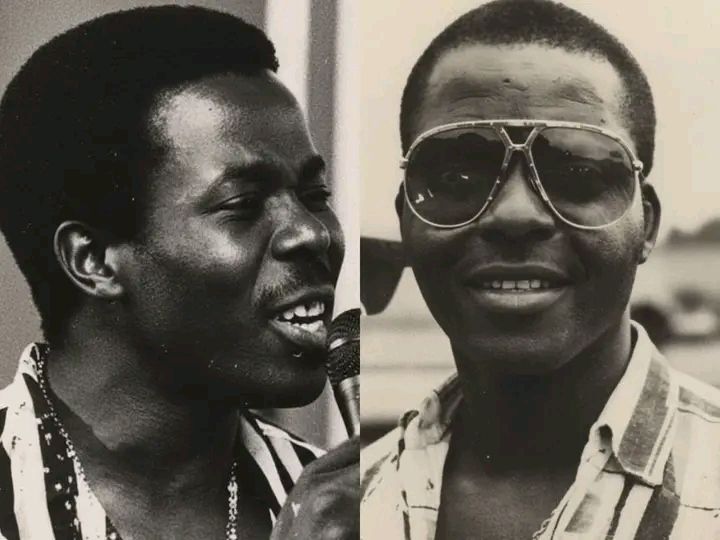
These analysts started expecting a repeat of the epic fight that happened between King Sunny Ade (KSA) and Commander Ebenezer Obey of the 1960s. Journalists also started feasting on this speculation at the time. Remember stories like this would always do well among media men.
Around 1989, Sir Shina Peters began to reign and amass followerships. His songs went beyond Yorubaland and Nigeria and some started touting him and the new king of juju music even though he said his own genre was Afrojuju. He began to win awards that seemed to buttress the arguments of his followers.
Then, King Sunny Ade was said to have braced up in what observers saw as his claim to the juju throne. He released a new album with ‘Authority’ as the title and in which he asserted through his lyrics that he was still the king.
Arguing his legitimacy to the throne in the song, KSA further stressed that there can never be another King while the old King was still alive and kicking.
He further portrayed his stance in the video that accompanied the song. The video showed KSA sitting on a throne fully costumed as King with subjects prostrating and paying tribute to him. He sang in parables like “the yam and the pounded yam can never be mates.”
Observers also saw the title of the song as assertive of KSA’s supremacy and dominance of the juju world and at the same time warning all claimants of the juju throne to steer clear.
Although Shina Peters had always used whatever opportunity he has to pay respect to KSA and Commander Obey for their indefatigable contribution to juju, he had also always emphasised that this was the time of the youths (asiko awon youths re).
The Republican newspaper of that period recalled that at the Nigerian Music Awards held that year, Shina Peters dedicated the first of his four awards to KSA and Commander Obey. However, there were expectations that Shina Peters would throw away his humility and reply Sunny Ade in the same idiomatic note
However, the expectation was cut short as the duo forged a relationship devoid of suspicion afterwards.
Credit: Ethnic African Stories


About the Author