0
0
 0
0
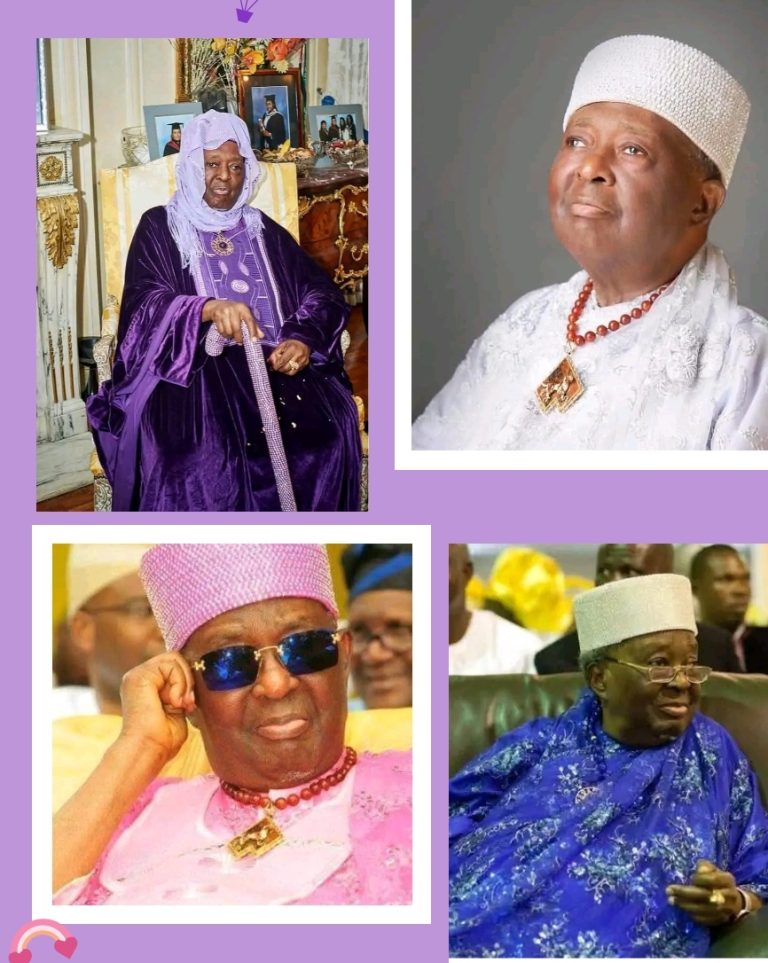
Lady Kofoworola Ademola stands as one of the most influential pioneers in Nigeria’s educational and women’s rights history. Born on 21 May 1913, she emerged from a lineage of prominent Yoruba elites, yet she carved her own legacy through scholarship, leadership, and service to nation-building.
A Groundbreaking Academic Journey
In 1935, Lady Ademola achieved a historic milestone when she became the first Black African woman to graduate from the University of Oxford. She studied English Literature and Education at St Hugh’s College, a remarkable accomplishment during a period when very few African women had access to higher education abroad.
Her time at Oxford not only distinguished her academically, but also shaped her lifelong passion for educational reform and the empowerment of girls.
A Trailblazer in Nigerian Education
Upon returning to Nigeria, she became the first Nigerian graduate teacher at Queen’s College, Lagos, one of the country’s most prestigious girls’ schools. Lady Ademola believed education was the strongest tool for societal transformation, especially for women. Her advocacy led her to co-found the New-Era Girls’ Secondary School in Lagos, an institution that widened access to quality education for young girls.
Her commitment to public service saw her appointed as the first woman Secretary of the Western Region Scholarship Board, placing her at the centre of educational policy and scholarships for young Nigerians.
Championing Women’s Rights and Social Welfare
In 1958, Lady Ademola became the first President of the National Council of Women’s Societies (NCWS), Nigeria’s largest and most influential women’s body. In this role, she worked tirelessly to advance women’s rights, fight discriminatory workplace policies, and promote equal access to education and opportunities.
Under her leadership, NCWS became a powerful voice advocating for social justice, better working conditions, and the political inclusion of Nigerian women.
A Literary Voice Inspired by African Folklore
Lady Ademola was also an accomplished children’s author. Drawing deeply from West African oral traditions, she wrote books that introduced young readers to the richness of African storytelling, culture, and values. Her literary work was part of her larger mission to preserve indigenous heritage and instil pride in African identity.
Honours and Recognition
Her contributions to education and social development earned her widespread respect and national honours. Lady Ademola was awarded:
Member of the Order of the British Empire (MBE) in 1959
Officer of the Order of the Federal Republic (OFR) for her national service
Her impact extended beyond Nigeria’s borders, and she remains celebrated across Africa for her pioneering role in women’s advancement.
Later Life and Legacy
Lady Kofoworola Ademola passed away on 15 May 2002, leaving behind a legacy of excellence, resilience, and service. Her achievements broke barriers for generations of African women in academia, teaching, leadership, and literature.
She remains an enduring symbol of what dedication to education, courage, and vision can achieve—proof that one woman’s determination can change history.
Image Source
Portrait by Sunmi Smart-Cole, one of Nigeria’s most renowned documentary photographers.
SB E-news.


About the Author