0
0
 0
0
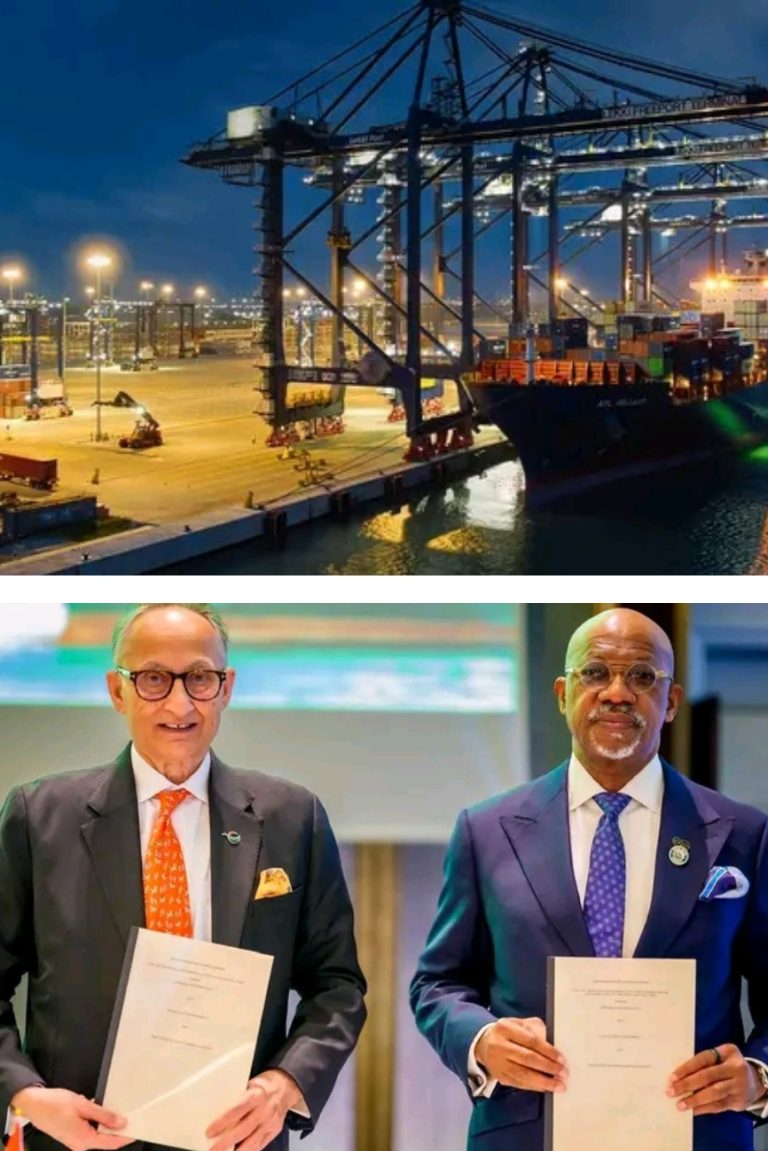
When Aliko Dangote announced the expansion of his Lagos-based refinery from 650,000 barrels per day (bpd) to 1.4 million bpd, the world took notice and not everyone is celebrating. This bold move positions Nigeria to become Africa’s energy hub and one of the largest single-location refining complexes on the planet. But it also disrupts a global economic order that, for decades, has kept Africa dependent on imported refined petroleum products.
Let’s call it what it is an economic power shift, not a simple industrial upgrade.
**A Cornerstone of the Renewed Hope Agenda**
Under President Bola Ahmed Tinubu’s Renewed Hope Agenda, Nigeria has taken decisive steps to rebuild its economic base on production, not dependency. From the removal of the fuel subsidy and unification of foreign exchange rates to policies that encourage local investment and private-sector competitiveness, this administration has laid the groundwork for true industrial sovereignty.
Dangote’s refinery expansion is not an isolated success; it is the most visible fruit of the Renewed Hope economic reforms proof that private capital now has the confidence to invest massively in Nigeria’s future.
It complements the President’s drive to:
• Achieve energy self-sufficiency and end the decades-old drain of foreign exchange on refined imports.
• Generate millions of jobs through industrial value chains.
• Restore investor confidence through transparent economic governance.
• Position Nigeria as a regional energy power and a reliable exporter of refined products.
This refinery, together with ongoing government efforts to revive Ajaokuta Steel, expand modular refineries, and strengthen infrastructure, signifies that Nigeria is no longer content to be a raw material exporter we are reclaiming our right to refine, produce, and prosper.
**A Threat to Global Energy Dominance**
For years, Western powers particularly the United States and its European allies profited from Africa’s oil paradox: exporting crude cheaply and selling refined products back at exorbitant prices. Nigeria, despite being a top crude producer, spent over $15 billion annually importing refined petroleum. This structure was deliberate designed to keep Africa consuming, not producing.
Now, Dangote’s expansion threatens to end that cycle. With 1.4 million bpd capacity, Nigeria could meet domestic demand and export refined products across West and Central Africa, undercutting foreign refineries in Rotterdam, Texas, and Marseille that have long monopolized these markets. That’s not just industrial progress it’s strategic disruption.
**The Real Geopolitical Context**
The anxiety in certain Western quarters is not about Nigeria’s democracy it’s about economic control. Whoever controls energy controls global influence. The energy transition may be underway, but oil still fuels economies, currencies, and militaries. A self-reliant Nigeria reduces the leverage of international oil cartels and strengthens the sovereignty that President Tinubu’s government has championed from day one.
**Let’s recall history:**
• In the 1970s, Western interests discouraged local refining even at the height of Nigeria’s oil boom.
• In the 1980s and 1990s, IMF and World Bank reforms crippled local industries under the guise of structural adjustment.
• Every effort at self-reliance from Ajaokuta to Kaduna Refinery rehabilitation met invisible resistance.
Today, that resistance faces a new reality: a Nigerian president who believes in economic independence through private-sector empowerment.
**Beyond Democracy and Diplomacy**
This is not a contest of democracy versus autocracy it’s an economic battle for dominance. When Western analysts warn about “monopoly” or “market distortion” in Nigeria’s refining sector, they are not defending Nigerian consumers; they are defending foreign profit lines. President Tinubu’s policy environment deregulation, open competition, and support for industrial giants like Dangote has created the space for Nigeria to stand tall and speak boldly in the global energy market.
**A Call for National Consciousness**
Nigeria is finally building what others never wanted us to have: self-sufficiency. The ripple effects of this expansion will be enormous job creation, foreign exchange savings, export growth, and renewed confidence in the “Made in Nigeria” brand.
At this defining moment, our duty is clear:
* Support local enterprise.
* Reject divisive or foreign-sponsored narratives.
* Unite behind the vision of Renewed Hope a self-reliant, dignified, and prosperous Nigeria.
The Tinubu administration has given Nigerians the policy backbone. Dangote has given us the industrial proof. Now, the people must give the patriotic will. It’s time to stop thinking like a colony and start acting like a nation.
Signed:
Otunba (Dr.) Abdulfalil Abayomi Odunowo, D.Sc (h.c)
National Chairman
Asiwaju Ahmed Tinubu Support Group (AATSG)
📅 Date: Friday, 7th November, 2025
📧 Email: nchairman@aatsg.org.ng
📞 Phone: +234 905 353 5322
🌐 Website: www.aatsg.org.ng
“As we look to the future, let us embrace the responsibility our choices carry in shaping our nation’s destiny. Together, we must commit to the path of active and positive citizenship for a self-reliant Nigeria under the Renewed Hope Agenda.”
SB E-news.


About the Author