 0
0
 0
0
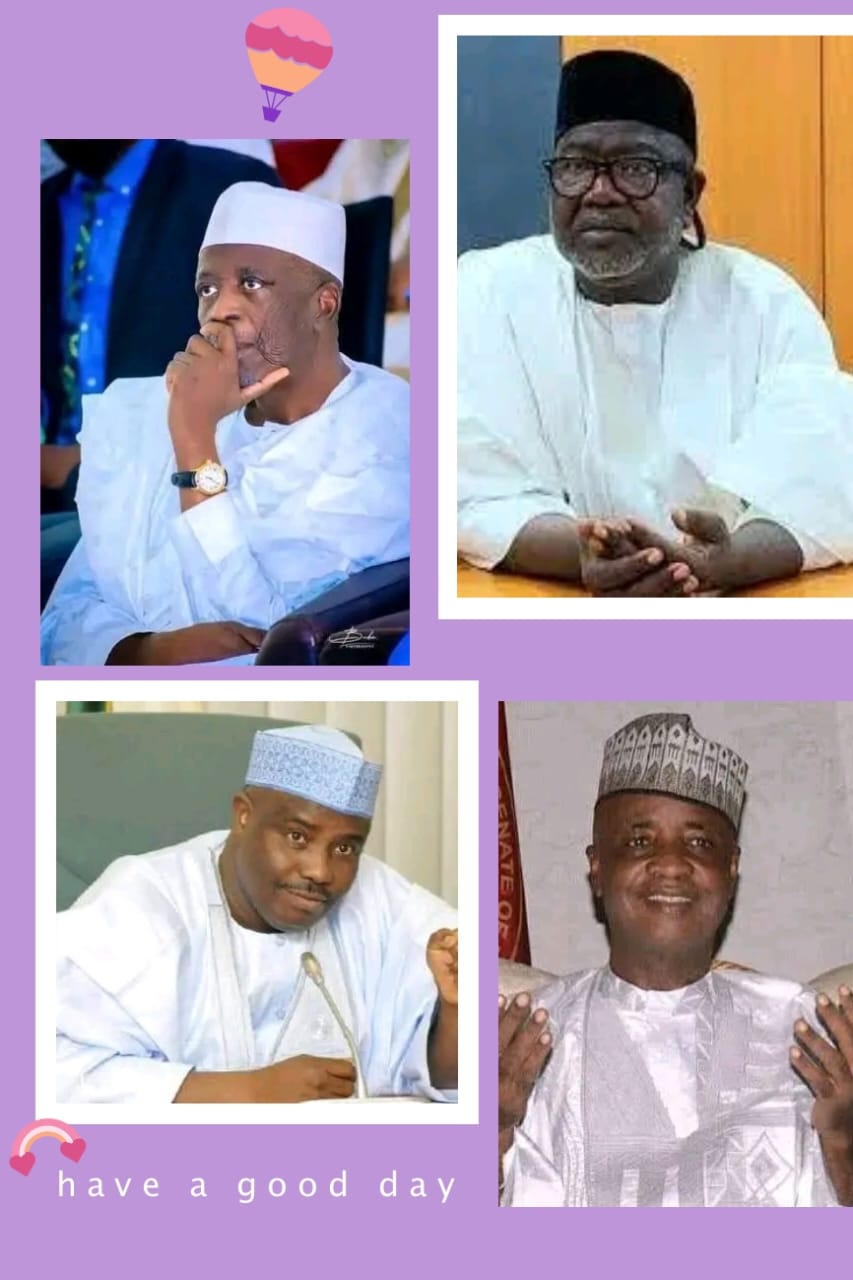
Sokoto politics remains controlled by these veteran figures, each with decades of influence but weighed down by rivalries, party switches, corruption probes, and uneven records on delivering for ordinary people. Trust is hard to come by — Sokoto continues to grapple with high poverty, banditry, and underdevelopment despite their long tenures. Here’s an updated, brutally honest comparison (as of early 2026).
ATTAHIRU BAFARAWA
– History: Governor 1999–2007 (ANPP/DPP); former civil servant who mentored Wamakko as his deputy. Ran for president in 2007 (DPP). Long-standing bitter rivalry with Wamakko over power struggles.
– Defections/Opportunism: Switched parties (ANPP to DPP, later PDP resignation in 2025); recent APC alignment rumors denied, positioning as elder statesman.
– Corruption/Graft: Major EFCC cases (N15bn fraud, arms deals involving family); fled/extradited; acquitted in Sokoto court 2018 (some appeals ongoing); persistent shadows.
– Governance Impact: Strongest visible legacy — massive infrastructure (over 1,000km roads, schools, hospitals, urban upgrades, media house, power grids). Sokoto saw real transformation during his era.
– Current Status: Elder statesman; occasional positive comments on current Gov Aliyu (e.g., Ahmadu Bello comparisons); influential through family (son Sagir active in politics).
– Trust Level: Highest for actual delivery — projects still benefit the state — but graft history and feuds limit full trust.
ALIYU MAGATAKARDA WAMAKKO
– History: Deputy Governor under Bafarawa (1999–2007), Governor 2007–2015 (PDP, reclaimed via 2008 rerun after court intervention); current Senator Sokoto North (APC, second term); APC’s key North-West godfather and “Jagaban” in Sokoto politics. Holds traditional title Sarkin Yamman Sokoto.
– Defections/Opportunism: Central in 2013–2015 PDP-to-APC defections (G5 governors); remained loyal to APC since; master facilitator of alliances, reconciliations (e.g., Kebbi, Zamfara), and mobilizations.
– Corruption/Graft: Long-standing N15bn fraud probes (petitions from Bafarawa era, EFCC invitations denied as “media trials”); 2024 accusations from APC lawmaker Hon Gudu on mismanagement/collusion; no convictions; he has denied seeing large sums and expressed willingness for “legitimate scrutiny.”
– Governance Impact: Infrastructure and appointments; strong federal patronage under APC (e.g., “unprecedented” appointments for Sokoto under Tinubu); critics argue more elite control and political dominance than broad, equitable progress.
– Current Status (early 2026): Dominant APC leader; rallying for Tinubu/90% votes pledge in Sokoto; influencing budget policies (e.g., low recurrent spending); recent travels (e.g., Pakistan return); hosts party events and pushes e-registration/primaries prep.
– Trust Level: Moderate — highly effective at retaining power, securing federal benefits, and party machinery, but graft allegations, rivalries, and perception of prioritizing personal/political empire over state-wide transformation hurt credibility.
AMINU WAZIRI TAMBUWAL
– History: Speaker House 2011–2015; Governor 2015–2023 (APC to PDP defection 2018); current PDP Senator Sokoto South.
– Defections/Opportunism: Most frequent — multiple high-profile switches; recent hesitation in full ADC coalition commitment (accused of double-dealing).
– Corruption/Graft: Freshest and heaviest — 2026 judicial inquiry alleged ₦117bn misappropriated; EFCC 2025 probe on ₦189bn suspicious withdrawals; claims political persecution.
– Governance Impact: Some education/vocational initiatives; but rising insecurity, poverty critiques, and “wasted years” narrative dominate opposition views.
– Current Status: Opposition role weakened by scandals and local divisions.
– Trust Level: Lowest — pattern of opportunism combined with ongoing massive probes.
ABUBAKAR UMAR GADA (ABU GADA)
– History: Senator Sokoto East 2007–2011; grassroots/outspoken profile.
– Defections/Opportunism: Rapid 2025 ADC alignment then January 2026 return to PDP, publicly slamming Tambuwal for indecision.
– Corruption/Graft: Lightest record — no prominent cases.
– Governance Impact: Limited to legislative term; no major executive legacy.
– Current Status: Peripheral and reactive player.
– Trust Level: Moderate — cleanest on graft but shows inconsistency in alliances.
SIDE-BY-SIDE COMPARISON
– Consistency/Loyalty: Wamakko most stable (long APC loyalty and machinery control); Bafarawa consistent in rivalry; Tambuwal most opportunistic; Gada flip-floppy.
– Corruption Baggage: Tambuwal freshest/heaviest; Wamakko and Bafarawa long-running N15bn-level cases (no final convictions); Gada lightest.
– Delivery for Sokoto: Bafarawa strongest enduring infrastructure; Wamakko strong patronage/federal links and policy influence (e.g., budget discipline); Tambuwal some targeted programs but overall stagnation; Gada minimal.
– Current Influence (early 2026): Wamakko dominant (APC godfather, Tinubu mobilizer); Bafarawa respected elder; Tambuwal waning in opposition; Gada marginal.
– Trust Ranking (brutal):
1. Bafarawa (tangible legacy outweighs shadows for many).
2. Wamakko (power broker with results, but elite/self-preservation focus).
3. Gada (clean but unproven impact).
4. Tambuwal (scandals and flips dominate).
Brutal Verdict: None earns full trust — Sokoto’s elite circle (especially the Bafarawa-Wamakko feud) has prioritized power retention over solving core issues like banditry and poverty. Wamakko currently holds the strongest grip through APC control and federal ties, but all have baggage that questions selfless service.
Advice to Sokoto People: Judge by verifiable results: reduced insecurity, audited projects, job creation, transparent spending — not titles, rallies, or promises. Demand accountability from all, including Wamakko’s current influence. Push for new, untainted leaders or strong independent oversight. Sokoto has waited long enough for progress beyond recycled rivalries and elite games.
SB E-news.


About the Author