0
0
 0
0
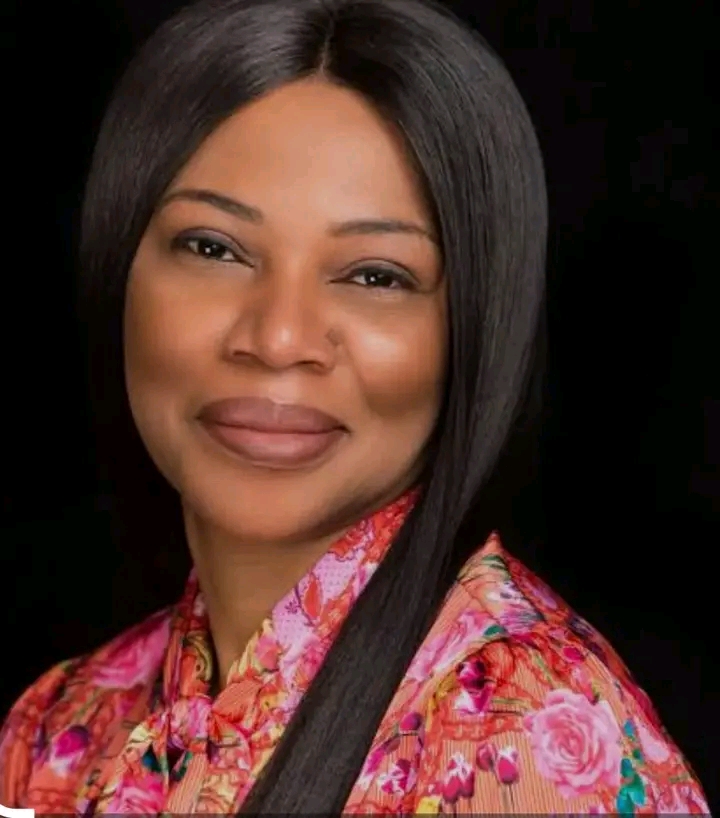
By Otunba (Dr) Abdulfalil Abayomi Odunowo, D.Sc h.c
National Chairman, Asiwaju Ahmed Tinubu Support Group (AATSG)
As the dust of the 2023 general elections settles, Nigeria’s political landscape is being reshaped, driven by an invisible but powerful hand of realignment. With just under two years until the next pivotal election in 2027, the question the nation faces is not if change is coming, but rather, the nature of that change.
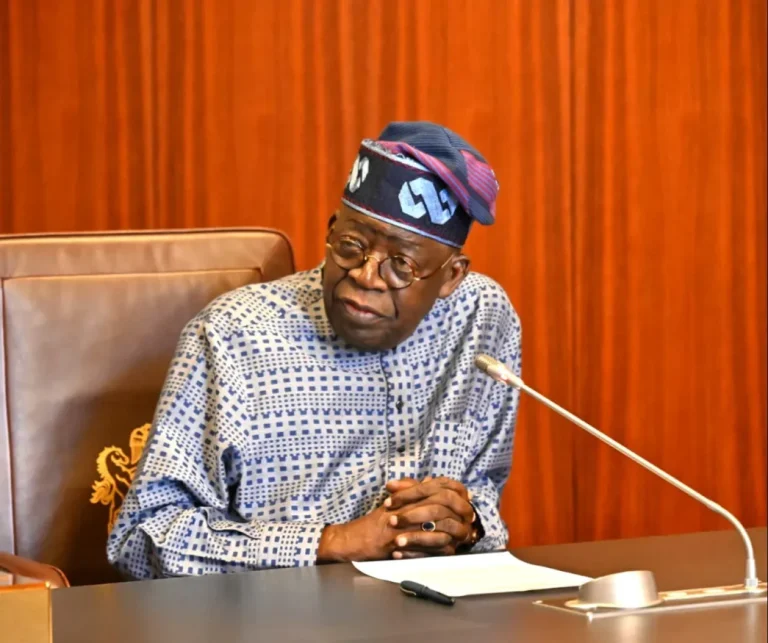
The 2023 elections heralded more than just a new president; it illuminated the fragile coalitions of the opposition, the internal sabotage within political parties, and highlighted the enduring strength of a leader who has mastered the art of the long game. Despite facing intense opposition from rival parties and factions within his own All Progressives Congress (APC), President Bola Ahmed Tinubu emerged victorious democratically, strategically, and convincingly.
**The Opposition’s Great Unraveling**
The Peoples Democratic Party (PDP), once the dominant political entity in Nigeria for 16 uninterrupted years, crumbled under the weight of its internal contradictions. The party decided to field a Northern candidate, contradicting its own zoning principles, alienating a significant portion of its Southern base. This miscalculation ignited dissent and gave rise to the infamous G-5 rebellion, where once-loyal governors openly defied the party’s candidate and realigned their political allegiances.
The emergence of the Labour Party (LP) initially sparked hope among Nigeria’s urban youth as a viable third force, but it quickly became evident that emotional appeal alone couldn’t establish enduring political infrastructure. Lacking institutional depth, the LP was unable to convert its temporary momentum into sustainable success. Other parties, such as the African Democratic Congress (ADC), have similarly devolved into mere vessels for political migrants in search of a voice or a ticket. This scenario can be likened to applying a mathematical process of collecting like terms while the APC has consolidated its power, the opposition continues to splinter.
**Realignment and the Awolowo Prophecy**
Chief Obafemi Awolowo, one of Nigeria’s foremost nationalist visionaries, foretold a moment like this over three decades ago. In a profound 1985 reflection, he said:
“In the future, there will be no UPN or NPN, but two groups of people: the good people from both sides and the bad people from both sides. But darkness will always be subdued by the power of LIGHT.”
Today, this prophecy resonates with clarity. Pragmatic, development-focused politicians, irrespective of their past affiliations, are rallying under the leadership of President Tinubu. Conversely, those engulfed by ego, bitterness, or vengeance find themselves languishing in the chaos of leaderless factions.
In this turbulent climate, defections towards the APC have increased. Governors, senators, and former party loyalists are quietly shifting their allegiances, not under duress, but because they comprehend what all seasoned politicians know: elections are won not with sentiments, but with structure, consistency, and staying power.
**The Incumbent Advantage and the Tinubu Factor**
President Tinubu is not merely a sitting president; he is a seasoned strategist endowed with decades of political acumen. His transformative vision for Nigeria, rooted in policies such as subsidy removal, exchange rate harmonization, and decentralization of power, is emblematic of a statesman dedicated to long-term economic sustainability.
Despite facing a cacophony of protests and a wave of dissent, Tinubu remains steadfast, exemplifying genuine leadership under immense pressure. This is not merely a test of politics; it is a test of vision.
**2027: A Fork in the Road**
As we approach 2027, three potential outcomes emerge:
1. **APC Retains Power:**
If the current trend persists, with an increasingly fractured opposition and the economy responding positively to reform, President Tinubu or his anointed successor will be well-positioned to secure victory.
2. **Opposition Coalition Emerges:**
Should the opposition manage to unite under a single nationally viable candidate with mass appeal, they could mount a credible challenge. Nevertheless, the path to unity is riddled with significant ideological disparities, regional conflicts, and deep-seated mistrust.
3. **An Unforeseen Disruption:**
No democracy is immune to shockwaves, be it economic turmoil, national tragedy, or elite rebellion. However, as the reform agenda slowly stabilizes, such disruptions appear increasingly unlikely.
**The Hill Stands Still**
In 2023, the opposition’s desperation was aptly likened to “200 hoes and 200 cutlasses trying to break a mountain.” Despite their fervor, the mountain remained unmoved, embodying the steady resolve of President Tinubu.
With 2027 on the horizon, the political sphere will witness a clamor of alliances forming, slogans emerging, and protests bubbling to the surface. Yet, history reminds us that politics and indeed, history itself favors those who are prepared. True change is not heralded by noise, but rather by those who plant their roots deep in the soil of strategy and vision.
Nigeria does not require another reset; what it needs is continuity with correction order, not chaos masquerading as change.
**Final Thoughts**
To the political class: the time for games is over. To the electorate: the time for discernment is now.
History teaches us that genuine change is rarely loud; it is often a steady, strategic process wrought with patience. President Tinubu has laid down his foundation. The unfolding truth is left to the passage of time.
As always, power ultimately belongs to God.
Published by the AATSG Editorial Desk on behalf of Otunba (Dr) Abdulfalil Abayomi Odunowo, D.Sc h.c
National Chairman, Asiwaju Ahmed Tinubu Support Group (AATSG)
Email: nchairman@aatsg.org.ng | Phone: +234-9053535322 | www.aatsg.org.ng
#TinubuTheUnshakable #2027Showdown #NigeriaDecides
SB E-news
SB events magazine
Efficiency magazine
Efficiency award for Excellence EAE.


About the Author