0
0
 0
0
By Adesoji Olalekan, Tribune Times Editorial Desk
Nigeria, Africa’s most populous nation and one of its largest economies, has long grappled with the consequences of its precarious financial obligations and inconsistent fiscal policies. For several decades, excessive reliance on external borrowing compounded economic challenges, leading to cycles of debt accumulation and reduced sovereignty over economic governance. The inherent instability created by high debt levels strained Nigeria’s capacity to fund critical investments in infrastructure, health, and education, severely curtailing the nation’s development potential. Additionally, the burden of subsidies on petrol and foreign exchange further exacerbated fiscal indiscipline, limiting the government’s ability to promote sustainable growth.
The ramifications of Nigeria’s entrenched debt issues were profound. By the early 2000s, the nation teetered on the brink of economic collapse, with external debt reaching an unsustainable level. The specter of default loomed large, threatening essential services and investments. With a substantial portion of government revenues being channeled into debt servicing, the ripple effects were felt across various sectors of the economy. Social unrest fueled by widespread poverty and unemployment posed additional challenges, putting immense pressure on successive administrations to find viable solutions.
In response to these mounting pressures, President Olusegun Obasanjo’s administration embarked on a series of negotiations that culminated in a landmark debt relief agreement in 2005. This pivotal moment marked a transition in Nigeria’s economic trajectory, allowing a significant portion of external debt to be forgiven. Though laudable, this relief was not a panacea; Nigeria’s appetite for external borrowing soon resurfaced, with subsequent administrations failing to implement comprehensive reforms to ensure financial sustainability.
The leadership of President Goodluck Jonathan saw a renewed tendency towards borrowing, which was justified by the urgent need for infrastructural development and social investment. However, this borrowing spurred debates about the long-term consequences of such an approach—especially in light of continuing subsidy regimes that imposed significant fiscal burdens. As the national debt increased under Jonathan’s watch, concerns grew about whether Nigeria could effectively manage its financial obligations, particularly in a volatile global economic environment.
President Muhammadu Buhari’s presidency continued this trend as his administration sought to balance ambitious infrastructure programs with the costs incurred by subsidy schemes. Despite initial promises to curtail this unsustainable approach, Nigeria’s debt profile ballooned, leading to increased scrutiny from local and foreign stakeholders. This precarious economic balance hinged on the ability to manage both developmental needs and fiscal capacity.
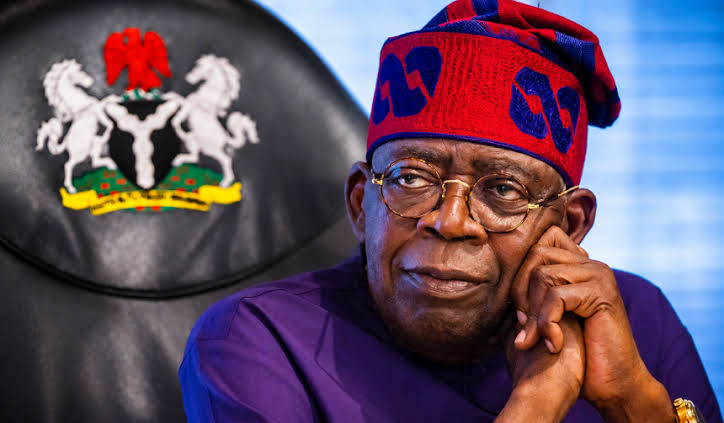
In a remarkable shift, President Bola Ahmed Tinubu took decisive action upon his election in May 2023. Understanding the urgency for economic revitalization, his administration swiftly dismantled major subsidy programs and initiated reforms aimed at achieving fiscal discipline. This strategic pivot not only freed up essential fiscal space but also demonstrated a commitment to rectify past oversights that had hindered economic progress.
As a result of these measures, Nigeria has observed promising indicators of economic recovery. Recent reports indicate a dramatic uptick in the nation’s net foreign reserves, rising from a meager $3 billion to an impressive $27 billion. This surge in reserves underscores Nigeria’s enhanced capacity to finance its obligations and signals a potential turnaround in national economic fortunes. With these financial tools at their disposal, policymakers can now explore avenues for long-term growth by investing in sectors that bolster sustainable development.
To fortify this momentum and ensure lasting stability, Nigeria’s leadership must continue to prioritize macroeconomic reforms, strengthening the domestic revenue base, and stabilizing the naira. Engaging with diverse investments, fostering innovation, and enhancing transparency within governance structures will be essential for building economic resilience. Furthermore, international cooperation and adherence to fiscal discipline will be paramount in refraining from past borrowing patterns.
Stakeholders across the economic landscape harbor cautious optimism regarding Nigeria’s trajectory toward fiscal stability. With consistent policy direction and a commitment to maintaining reforms, Nigeria stands to achieve a long-sought balance between growth and sustainability. The nation’s ability to navigate its challenges effectively and capitalize on its natural resources could herald a new chapter in its economic history transforming Nigeria from a legacy of debt into a thriving and resilient economy. Achieving this vision requires a concerted effort from all sectors of society; only time will tell if this promising recovery can be sustained.
By Adesoji Olalekan, Tribune Times Senior Correspondent


About the Author