0
0
 0
0
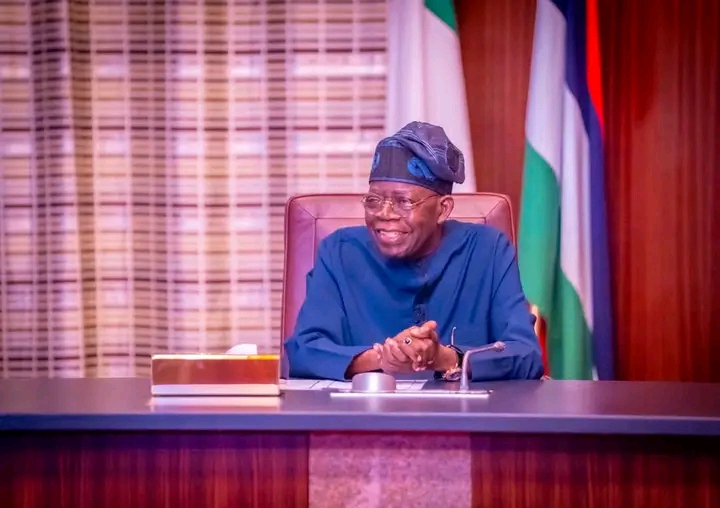
Nigeria, a country blessed with abundant oil resources, is grappling with an economic crisis triggered by the government’s recent decision to remove fuel subsidies. Under President Bola Ahmed Tinubu’s administration, this controversial policy shift, initiated in May 2023, has unleashed a cascade of challenges for the Nigerian populace. The immediate aftermath has seen petrol prices soar, further exacerbating an already dire economic situation. For many Nigerians, particularly within the lower and middle classes, the implications of this decision have extended beyond just expensive fuel, leading to a sharp uptick in the cost of living and significant inflationary pressures. Yes, the government, is therefore, partly culpable for the difficulties faced by millions?
The removal of the fuel subsidy has immediate repercussions. With petrol prices now driven by market forces rather than government regulation, Nigerians are witnessing an unprecedented surge in costs. As transportation expenses skyrocket, businesses are compelled to hike prices to cover their increased operational costs. The cost of basic goods—food, clothing, and services—continues to climb, stretching household budgets to their breaking point. For a population already struggling with high unemployment and stagnating wages, this abrupt economic shift represents a heavy burden.
Moreover, the consequences of these price fluctuations reach far beyond mere inconveniences. The rise in petrol prices accelerates inflation, eroding the purchasing power of citizens. The ability of families to afford essential items becomes increasingly compromised, prompting a crisis of accessibility to basic needs. The lack of immediate support or safety nets for vulnerable populations worsens the situation. Many argue that the government failed to take adequate preparatory measures, leaving citizens unprotected against the fallout of this drastic policy change. As despair grows, social tensions mount, leading to disillusionment with governance and potential civil unrest.
While the removal of fuel subsidies by the Tinubu administration was ostensibly aimed at achieving fiscal sustainability, combating corruption, and promoting market efficiency, the path forward must be navigated with care. Proponents of subsidy removal highlight potential advantages, such as generating revenue for critical public sectors, improving local refining capacity, and fostering market efficiency. Yet, these positive outcomes hinge on the government’s ability to manage the transition effectively.
To mitigate the adverse effects and steer the economy toward recovery, President Tinubu’s administration must not only promote transparency in reinvesting the savings from subsidy removal but also implement targeted social welfare programs. Adequate support systems, such as cash transfers or food assistance, can alleviate the immediate economic pressures on low-income families. Such measures can bridge the gap between the painful transition and the hopeful long-term benefits, ensuring that the most affected populations are not left behind.
Additionally, the government should prioritize economic diversification initiatives to reduce the country’s reliance on oil, thereby stabilizing the economy against future shocks. By investing in critical sectors like agriculture, technology, and renewable energy, Nigeria can foster sustainable economic growth that benefits all citizens.
In summary, while the removal of the fuel subsidy by President Bola Ahmed Tinubu may be a necessary step towards a more sustainable economic framework for Nigeria, the immediate consequences cannot be overlooked. Rising petrol prices have intensified economic hardship for many Nigerians, with repercussions that extend to inflation and a general increase in the cost of living. The government’s responsibility lies in navigating this complex terrain with sensitivity and foresight.
The challenge ahead is significant: balancing the urgent needs of citizens against the promise of long-term fiscal stability and economic efficiency. With careful management and targeted support, it is possible for Nigeria to emerge from this crisis stronger and more resilient. However, the success of these reforms hinges on the government’s commitment to prioritizing the welfare of its citizens in their journey toward economic transformation. Only through transparent, inclusive policies can the administration mitigate the immediate pain of subsidy removal and build a thriving future for all Nigerians.
Otunba Abdulfalil Abayomi Odunowo
National Chairman AATSG
Mobile: +2349053535322.
SB E-news
SB events magazine
Efficiency magazine
Efficiency award for Excellence EAE.
www.sbenews.com.ng
www.efficiency.com.ng
ceo_sbenews@efficiency.com.ng
sbeventnews@gmail.com


About the Author