0
0
 0
0
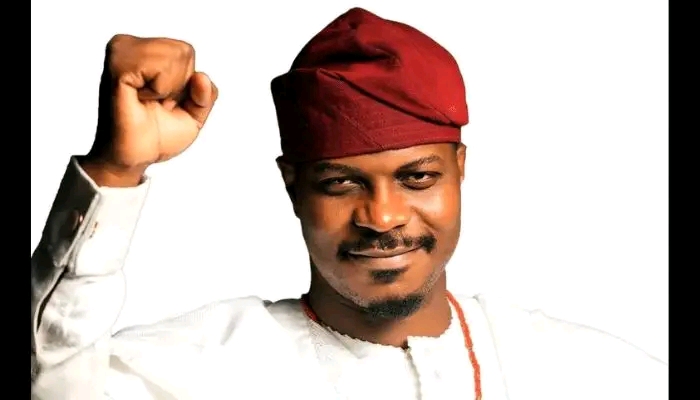
As bashorun JK Randle celebrates 80th birthday and sings Ope Mi Koito GOD WE NEED YOU NOW(Address delivered at Dorchester Hotel, Park Lane, London) On 13th January 2024.
By Bashorun J. K. Randle.
When I arrived in London as a student sixty years ago, there was no limit regarding the legitimate aspirations of Nigeria and Nigerians. By common consent, our nation was destined for boundless “GDP” (Greatness, Development and Prosperity).Suddenly, a few days ago, Alhaji Nuhu Ribadu, Nigeria’s National Security Adviser delivered a stringent verdict: “Nigeria is broke. The treasury is empty”It is just that we are shocked to hear from NSA Ribadu that Buhari left an empty treasury and ran the country aground.This morning on CNN, President Bola Ahmed Tinubu’s message was even more damming. President Bola Tinubu has encouraged Nigerians in the U.S. to rise above failure by having a change of mindset for success in all their endeavours in life.Tinubu who gave the advice at the Presidential Townhall Meeting with Nigerians in the diaspora on Wednesday in New York noted that Nigerians had no reason to be poor.The News Agency of Nigeria reports that the Townhall Meeting was organised by the Nigerians in Diaspora Commission on the sidelines of the 78th session of the UN General Assembly.“Nigeria has no reason to be poor. We have vast resources and huge potential”. He did not dwell on the legacy he inherited from General Muhammadu Buhari. Hence, we are compelled to pause and reflect on how do we get here and how do we get back on track? A dispassionate assessment of our situation is a compelling obligation. I have been practising as a Chartered Accountant for fifty-four years. Hence, for me and my professional colleagues, an annual stock – taking is a routine process and service commitment. However, what we are now confronted with is a backlog that stretches back sixty years – a bumpy ride of waywardness and missed opportunities. Current situation in Nigeria: Regardless, we must remain optimistic. Otherwise, what would be the point in celebrating my 80th Birthday on planet Earth? I am thankful to the vicar who reminded us that according to the Holy Book, 70 years is the reward for righteousness while 80 years is the prize for strength. As for 90, it is specially reserved for stubbornness. It behoves us to pay tribute to the integrity and professionalism of the Nigerian Marketing Board which was based in London at the time I arrived in 1964. The Managing Director, Mr. Eric Tansley was a man of exceptional character, honesty and discipline. Apart from being the custodian of Nigeria’s foreign currency, he was also in charge of Ghana’s Cocoa Marketing Board, and Sierra Leone’s Selection (Gold and Diamond) Trust as well Gambia’s Marketing (Groundnuts) Marketing Board. This was at a time when Ghana was the largest producer of cocoa in the world. The London office of the Nigerian Marketing Board, (NMB) was at 5, Buckingham Palace Gate, within shouting distance of the residence of Her Majesty Queen Elizabeth II. Besides, the NMB owned nineteen prime properties in the choicest locations in London as residences for its Nigerian staff. The accounts of the Board were audited by Cassleton Elliot, Chartered Accountants (the predecessor firm of KPMG). The Secretary to the Board was Mr. Nathan Marsh (the father of Fela Nathan-Marsh, who was a pilot at Nigeria Airways). Incidentally, Mr. Marsh later became the president of Metropolitan Club, Victoria and served from 1993 to 1997. Under Mr. Eric Tansley, Alhaji Dan Fulani was in charge of the Northern Region (principally groundnuts); Mr. Oliyide was in charge of the Western Region (principally cocoa); and Mr. Mkparu was in charge of the Eastern Region (principally palm oil and rubber from the Mid-West).Those officers were men of impeccable integrity. They took their cue from their leader who was rewarded with a “KBE” (Knight of the British Empire) and became Sir Eric Tansley. He was known as “Mr. Integrity”. Even way back then, Sir Eric was in charge of forward sales of cocoa; gold; palm oil; rubber; groundnuts; etc on behalf of Nigeria, Ghana, Sierra Leone and Gambia. He was very transparent unlike what currently prevails !! Alas, they do not make them like that anymore. Furthermore, we had the West African Currency Board which had a common currency for Nigeria, Ghana [Gold Coast]; Sierra Leone and Gambia. It was at par with the British pound and was freely convertible.Permit me to remind you of what you already know. The Almighty has deliberately demarcated our lives into four quarters. The first twenty – five years are devoted to learning and acquiring skills. The next twenty – five years are consumed by applying our knowledge and skills. Thereafter, the third quarter should be devoted to the public good – pay back time to society. As for the last quarter it is based on the sublime grace of our Lord and Saviour. Let us all roll back the tape to 1st October 1960 when Nigeria became an Independent nation. The Nigerian flag replaced the British “Union Jack”. Beyond the symbolism power changed hands. We Nigerians were now in charge of our own destiny. The rest of the world waited with a combination of exuberant hope and supressed anxiety as we reeled out the chapters of our new history book and achievements of milestones. It was indeed a new dawn as Chief Obafemi Awolowo took charge of the Western Region; Dr Nnamdi Azikwe was the Premier of the Eastern Region and Sir Ahmadu Bello, the Sarduana of Sokoto bestrode the Northern Region as the Premier. The British Government handed over £80,000,000 (eighty million pounds) the surplus accumulated by Nigerian Marketing Board to be shared by the respective regions – Western Nigeria £35,000,000 (thirty-five million pounds) for cocoa; £18,000,000 (eighteen million pounds) to Eastern Region for palm oil; and £27,000,000 (twenty-seven million pounds) to the Northern Region for groundnuts. In addition, choice London properties were handed over to each region as offices and residences to accommodate the Agent-General of each of the regions. Locations were as follows: The first set of Nigerian diplomats in Britain were tagged “Agent-General” Western Region had Justice (Chief) Toye Coker. The residence was at 15A Kensington Palace Gardens while the office was at Great Portland Place, London. The Eastern Region was represented by Mr. Ekukinam Bassey while the Northern Region was represented by Alhaji Abudul Malik (from Okene, in what is now known as Kogi State when he became our High Commissioner in 1959. He was succeeded by Alhaji Ahmadu Suka.The Nigerian High Commission was (and remains at 9, Northumberland Avenue and the residence was at Chapel Street, Belgravia. When Nigeria became Independent on 1st October 1960, the celebration was held at Royal Festival Hall, on Chelsea Embarkment. Incidentally, Fela Kuti was then studying music at the Royal College of Music. He lived at Queensborough Terrace, Bayswater. He would neither drink nor smoke. He was entirely devoted to (and focused on) his music. No rebellion; no twenty-seven wives; no smoking of marijuana (Indian Hemp) and certainly no drugs.I believe the Western Region was the luckiest. The Agent-General (Chief Toye Coker) bagged 15A Kensington Palace Gardens in one of the most exclusive areas of London. Princess Margaret (the only sister of Her Majesty Queen Elizabeth II) lived only a few doors away and she would occasionally be a guest at parties held at the residence of the Agent-General. It was when the military took over in 1966 that 15A Kensington Palace Gardens became the official residence of the High Commissioner of Nigeria. What ensued at Independence was Nigeria at its best as each region embarked on a frenzy of infrastructural development as well as social welfare without incurring debts!! Chief Obafemi Awolowo was the most daring and his legacies are enduring. As far back as 1955 he had launched Free Education in the Western Region – a very bold initiative which earned him the love and affection of generations till today.Here is a snapshot of the achievements of the leaders of the various regions: (i) Chief Obafemi AwolowoAwolowo founded the Yoruba nationalist group Egbe Omo Oduduwa, and was the first Leader of Government Business and Minister of Local Government and Finance, and first Premier of the Western Region under Nigeria’s parliamentary system, from 1952 to 1959.Dr. Nnamdi Azikwe (Eastern Region) He established the University of Nigeria, Nsukka in 1960, and Queen Elizabeth II appointed him to the Privy Council of the United Kingdom. He was made Grand Commander of the Federal Republic (GCFR), Nigeria’s highest national honour, in 1980.Sir Ahmadu Bello (Northern Region) Bello’s greatest legacy was the modernization and unification of the diverse people of Northern Nigeria. His personal residence in Kaduna, now called Arewa House (Gidan Arewa), was transformed to a museum and centre for research and historical documentations managed by the Ahmadu Bello University.Nigeria was on the fast track to becoming a force to be reckoned with. Each region had its own constitution and development plan. At the Federal level, under the Prime Minister, Alhaji Abubakar Tafawa Balewa the appetite for economic development was contagious with generous technical support from the World Bank. Indeed, double-digit growth of the GDP (Gross Domestic Product) was the order of the day. On average GDP growth rate was 11 per cent which placed us in the same category as Singapore, Hong Kong and the emerging Asian Tigers. Into the bargain was a relatively stable political landscape even though there was agitation for the creation of the Middle Belt State; COR (Calabar, Ogoja, Rivers) State; and Mid-Western Region. Right up to 1962 when Togo was the victim of its first coup d’etat which claimed the life of President Sylvanus Olympio and installed President Etienne Eyadema, later became the President. There was no hint that trouble was brewing in Nigeria.In the Sixth Form at King’s College, we were required to write an essay on:“Could A Coup D’Etat Happen In Nigeria ?”by our History (Oxford University graduate) teacher.The verdict was a firm “NO” !!Thereafter in rapid succession, Nigeria had to contend with various headwinds – rioting over the census; controversial election results which resulted in victory for the NPC (Northern Peoples Congress); the breakdown of law and order in the Western Region; the Tiv Riots; the Coker Inquiry (Western Region); Forster Sutton Enquiry (Eastern Region); the attempted removal of Chief Samuel Ladoke Akintola as Premier of the Western and his replacement with Chief S.O. Adegbenro.Matters climaxed with the jailing of Chief Obafemi Awolowo for treasonable felony in 1963.In between these tumultuous events was the forceful takeover of the Radio Station in Ibadan by audacious Professor Wole Soyinka leader of the Pirates to protest against false election results.We must avoid looking back at our history with rose-tinted glasses. Nevertheless we must recognise that what we inherited at Independence was a functional Civil Service with clear rules and regulations which were enforced with vigour and alacrity. There were no sacred cows. As for the judiciary, there was no hint of corruption or malfeasance. However, when Justice George Sowemimo declared in open court:“My hands are tied” and proceeded to jail Chief Obafemi Awolowo in 1963, the alarm bells started ringing. As for the legislature, the parliamentary system (Westminster model) was relatively cheap to run as what we had were part-time members of The Senate and various Houses of Representatives. Politics had not become an “industry” or career path to humongous wealth and power. The Prime Minister and his Ministers (The Executive) were accountable to the parliament. It was the same in the Regions – North; West; and East where the premiers held sway.As for the press, it exercised its freedom with commendable guts and gusto.As we speak, our beloved nation depends on the inflow of remittances from the diaspora for survival. That was not always the case. When we first became Independent, you could transfer money from any part of Nigeria to any part of the world regardless of the amount – through the banks or “postal orders” which could be purchased at the Post Office. Travellers cheques came on the scene much later. As for security, you could travel all over Nigeria at any time of the day or night by air, car or train without fear. Kidnapping, money ritual, armed robbery, banditry and rape did not exist in the lexicon or language of our beloved nation.On BBC television this morning Stephen Sackur devoted his weekly programme “Hard Talk” to 114 year-old Sir Nicholas Winton who had saved 250 Jewish children from genocide in Nazi Germany under Adolf Hitler. Sir Nicholas was emphatic that what has thrown Britain into reverse gear are the lack of compassion combined with the jettisoning of ethics. Perhaps, the same curse has afflicted Nigeria. In our own case, the underlying animosities, deep-seated mistrust and overlapping grievances have provided additional ammunition for those who are determined to hold our nation to ransom with poverty, ignorance and corruption.The records are there as proof that in the 1960’s, the Nigerian currency was equal to the British pound (sterling) and it was a freely convertible currency and almost double the U.S. dollar in value. Nigeria had no debts whatever. Nigerians did not require visa to enter Britain and if a Nigerian wanted a British passport all that was required was a form which would be filled and mailed to the Home Office (“Petty France”), in Whitehall, London and pronto the British passport would be mailed to your U.K. address. Nigerians who lived in university campuses, or students hostels were regularly and pleasantly surprised to find invitations stuck on the notice board:“English couple would like to invite Nigerian students to tea in their home on Sunday. Please contact Mr. and Mrs. John Phillis at ………………………….”We were truly the darlings of our English hosts – regardless of advertisements for rooms to let which were openly racist: “No blacks; No Irish; No dogs.”At the personal level, I recall that in those days, heating was a problem during the freezing winter. There was no central heating and one needed special coins to insert into heaters. As a student, on one occasion when my allowance was late, I went to a branch of Barclays Bank in Bayswater, London, and requested for a loan of £5 (five pounds) to tide me over. On learning that I was a Nigerian, the manager not only approved my request instantly, he offered me an extra £20 (twenty pounds) in case I needed more money. That was when our integrity as Nigerians was without blemish. Of course, everything had to do with our image which in turn was a reflection of our situation back home. The military were under strict discipline and were confined to their barracks. Their public appearances were limited to celebration of national events or the sports arena where they excelled in athletics, boxing, hockey and polo. As for the police, they adhered strictly to Section 4 of the Police Act:“The Police shall be employed for the prevention and detection of crime, the apprehension of offenders, the preservation of law and order, the protection of life and property and the due enforcement of all laws and regulations with which they are directly charged.”On foreign lands (e.g. Congo), wherever Nigerian military and police were sent on Peace-Keeping mission, they won laurels for their exemplary conduct and professionalism.It is a pity that history is no longer taught in Nigerian schools. Civics is also off the syllabus. Perhaps that is what provoked Segun Adeniyi to lament: “NIGERIA, MY NIGERIA”THERE WAS A COUNTRY *𝐍𝐈𝐆𝐄𝐑𝐈𝐀, 𝐌𝐘 𝐍𝐈𝐆𝐄𝐑𝐈𝐀!*• 𝐈𝐬 𝐓𝐡𝐢𝐬 𝐓𝐡𝐞 𝐒𝐚𝐦𝐞 𝐍𝐢𝐠𝐞𝐫𝐢𝐚 𝐓𝐡𝐚𝐭 𝐖𝐚𝐬 𝐕𝐢𝐬𝐚-𝐅𝐫𝐞𝐞 𝐓𝐨 𝐄𝐧𝐠𝐥𝐚𝐧𝐝 𝐀𝐧𝐝 𝐎𝐭𝐡𝐞𝐫 𝐖𝐞𝐬𝐭𝐞𝐫𝐧 𝐂𝐨𝐮𝐧𝐭𝐫𝐢𝐞𝐬?• 𝐈𝐬 𝐓𝐡𝐢𝐬 𝐓𝐡𝐞 𝐒𝐚𝐦𝐞 𝐍𝐢𝐠𝐞𝐫𝐢𝐚 𝐓𝐡𝐚𝐭 $𝟏 𝐖𝐚𝐬 𝟕𝟏 𝐊𝐨𝐛𝐨?• 𝐈𝐬 𝐓𝐡𝐢𝐬 𝐓𝐡𝐞 𝐒𝐚𝐦𝐞 𝐍𝐢𝐠𝐞𝐫𝐢𝐚 𝐓𝐡𝐚𝐭 𝐇𝐚𝐝 𝐓𝐡𝐞 𝐋𝐚𝐫𝐠𝐞𝐬𝐭 𝐀𝐢𝐫𝐥𝐢𝐧𝐞 𝐈𝐧 𝐀𝐟𝐫𝐢𝐜𝐚, 𝐀𝐧𝐝 𝐎𝐯𝐞𝐫 𝐓𝐡𝐢𝐫𝐭𝐲 𝐅𝐥𝐞𝐞𝐭 o𝐟 𝐒𝐡𝐢𝐩s (𝐑𝐢𝐯𝐞𝐫 K𝐨𝐧𝐭𝐚𝐠𝐨𝐫𝐚, 𝐑𝐢𝐯𝐞𝐫 𝐎𝐬𝐞, 𝐑𝐢𝐯𝐞𝐫 𝐓𝐡𝐢𝐬, 𝐑𝐢𝐯𝐞𝐫 𝐓𝐡𝐚𝐭)?• 𝐈𝐬 𝐓𝐡𝐢𝐬 𝐭𝐡𝐞 𝐒𝐚𝐦𝐞 𝐍𝐢𝐠𝐞𝐫𝐢𝐚 𝐓𝐡𝐚𝐭 𝐅𝐥𝐢𝐠𝐡𝐭 𝐓𝐢𝐜𝐤𝐞𝐭 𝐓𝐨 𝐋𝐨𝐧𝐝𝐨𝐧 𝐖𝐚𝐬 𝐍𝟏𝟓𝟎?• 𝐈𝐬 𝐓𝐡𝐢𝐬 𝐓𝐡𝐞 𝐒𝐚𝐦𝐞 𝐍𝐢𝐠𝐞𝐫𝐢𝐚 𝐖𝐡𝐞𝐫𝐞 𝐕𝐢𝐬𝐚 𝐖𝐚𝐬 𝐍𝐨𝐭 𝐍𝐞𝐞𝐝𝐞𝐝 𝐓𝐨 𝐓𝐫𝐚𝐯𝐞𝐥 𝐓𝐨 𝐓𝐡𝐞 𝐔𝐊, 𝐁𝐮𝐭 𝐉𝐮𝐬𝐭 𝐏𝐢𝐜𝐤 𝐘𝐨𝐮𝐫 𝐓𝐢𝐜𝐤𝐞𝐭 𝐓𝐨 𝐋𝐨𝐧𝐝𝐨𝐧 𝐋𝐢𝐤𝐞 𝐘𝐨𝐮 𝐀𝐫𝐞 𝐓𝐫𝐚𝐯𝐞𝐥𝐢𝐧𝐠 𝐓𝐨 𝐀𝐛𝐮𝐣𝐚 𝐎𝐫 𝐏𝐨𝐫𝐭 𝐇𝐚𝐫𝐜𝐨𝐮𝐫𝐭?• 𝐈𝐬 𝐓𝐡𝐢𝐬 𝐍𝐢𝐠𝐞𝐫𝐢𝐚 𝐖𝐡𝐞𝐫𝐞 𝐑𝐞𝐭𝐮𝐫𝐧 𝐓𝐢𝐜𝐤𝐞𝐭 𝐭𝐨 𝐔𝐒𝐀 𝐖𝐚𝐬 𝐍𝟏,𝟐𝟎𝟎?• 𝐈𝐬 𝐓𝐡𝐢𝐬 𝐍𝐢𝐠𝐞𝐫𝐢𝐚 𝐖𝐡𝐢𝐜𝐡 𝐃𝐮𝐛𝐚𝐢 𝐂𝐚𝐦𝐞 𝐓𝐨 𝐁𝐨𝐫𝐫𝐨𝐰 𝐌𝐨𝐧𝐞𝐲 𝐅𝐫𝐨𝐦, 𝐁𝐮𝐭 𝐃𝐚𝐬𝐡𝐞𝐝 𝐓𝐡𝐞𝐦, 𝐈𝐧𝐬𝐭𝐞𝐚𝐝 𝐎𝐟 𝐆𝐢𝐯𝐢𝐧𝐠 𝐓𝐡𝐞𝐦 (𝐃𝐮𝐛𝐚𝐢) 𝐀𝐬 𝐋𝐨𝐚𝐧?• 𝐈𝐬 𝐓𝐡𝐢𝐬 𝐒𝐚𝐦𝐞 𝐍𝐢𝐠𝐞𝐫𝐢𝐚 𝐓𝐡𝐚𝐭 𝐌𝐚𝐣𝐨𝐫 𝐆𝐞𝐧𝐞𝐫𝐚𝐥 𝐘𝐚𝐤𝐮𝐛𝐮 𝐆𝐨𝐰𝐨𝐧 𝐒𝐚𝐢𝐝 𝐓𝐡𝐞 𝐎𝐧𝐥𝐲 𝐏𝐫𝐨𝐛𝐥𝐞𝐦 𝐖𝐞 𝐇𝐚𝐯𝐞 𝐈𝐬 𝐇𝐨𝐰 𝐓𝐨 𝐒𝐩𝐞𝐧𝐝 𝐎𝐮𝐫 𝐌𝐨𝐧𝐞𝐲?• 𝐈𝐬 𝐓𝐡𝐢𝐬 𝐓𝐡𝐞 𝐒𝐚𝐦𝐞 𝐍𝐢𝐠𝐞𝐫𝐢𝐚 𝐓𝐡𝐚𝐭 𝐓𝐞𝐚𝐫-𝐑𝐮𝐛𝐛𝐞𝐫 𝐏𝐞𝐮𝐠𝐞𝐨𝐭 𝟓𝟎𝟒 𝐖𝐚𝐬 𝐋𝐞𝐬𝐬 𝐓𝐡𝐚𝐧 𝐍𝟓,𝟎𝟎𝟎 𝐍𝐚𝐢𝐫𝐚?• 𝐈𝐬 𝐓𝐡𝐢𝐬 𝐓𝐡𝐞 𝐒𝐚𝐦𝐞 𝐍𝐢𝐠𝐞𝐫𝐢𝐚 𝐓𝐡𝐚𝐭 𝐇𝐚𝐝 𝐂𝐚𝐫 𝐀𝐬𝐬𝐞𝐦𝐛𝐥𝐲 𝐏𝐥𝐚𝐧𝐭𝐬 ( 𝐏𝐞𝐮𝐠𝐞𝐨𝐭 𝐀𝐧𝐝 𝐕𝐨𝐥𝐤𝐬𝐰𝐚𝐠𝐞𝐧)?• 𝐈𝐬 𝐓𝐡𝐢𝐬 𝐓𝐡𝐞 𝐒𝐚𝐦𝐞 𝐍𝐢𝐠𝐞𝐫𝐢𝐚 𝐓𝐡𝐚𝐭 𝐇𝐚𝐝 𝐆𝐫𝐞𝐚𝐭 𝐋𝐞𝐚𝐝𝐞𝐫𝐬 𝐋𝐢𝐤𝐞 𝐙𝐢𝐤, 𝐁𝐚𝐥𝐞𝐰𝐚, 𝐀𝐰𝐨, 𝐄𝐧𝐚𝐡𝐨𝐫𝐨, 𝐞𝐭𝐜?• 𝐈𝐬 𝐓𝐡𝐢𝐬 𝐓𝐡𝐞 𝐒𝐚𝐦𝐞 𝐍𝐢𝐠𝐞𝐫𝐢𝐚 𝐓𝐡𝐚𝐭 𝐈𝐧𝐝𝐢𝐚𝐧𝐬 𝐀𝐧𝐝 𝐏𝐚𝐤𝐢𝐬𝐭𝐚𝐧𝐢 𝐔𝐬𝐞𝐝 𝐓𝐨 𝐂𝐨𝐦𝐞 𝐀𝐧𝐝 𝐀𝐩𝐩𝐥𝐲 𝐅𝐨𝐫 𝐓𝐞𝐚𝐜𝐡𝐢𝐧𝐠 𝐉𝐨𝐛𝐬?• 𝐈𝐬 𝐓𝐡𝐢𝐬 𝐓𝐡𝐞 𝐒𝐚𝐦𝐞 𝐍𝐢𝐠𝐞𝐫𝐢𝐚 𝐓𝐡𝐚𝐭 𝐖𝐚𝐬 𝐀𝐛𝐨𝐝e 𝐓𝐨 𝐓𝐡𝐞 𝐆𝐡𝐚𝐧𝐚𝐢𝐚𝐧𝐬, 𝐋𝐢𝐛𝐞𝐫𝐢𝐚𝐧𝐬 𝐀𝐧𝐝 𝐎𝐭𝐡𝐞𝐫𝐬?• 𝐈𝐬 𝐓𝐡𝐢𝐬 𝐓𝐡𝐞 𝐒𝐚𝐦𝐞 𝐍𝐢𝐠𝐞𝐫𝐢𝐚 𝐓𝐡𝐚𝐭 𝐒𝐩𝐞𝐧𝐭 𝐁𝐢𝐥𝐥𝐢𝐨𝐧𝐬 𝐅𝐢𝐠𝐡𝐭𝐢𝐧𝐠 𝐀𝐠𝐚𝐢𝐧𝐬𝐭 𝐓𝐡𝐞 𝐀𝐩𝐚𝐫𝐭𝐡𝐞𝐢𝐝 𝐑𝐞𝐠𝐢𝐦𝐞 𝐈𝐧 𝐒𝐨𝐮𝐭𝐡 𝐀𝐟𝐫𝐢𝐜𝐚?• 𝐈𝐬 𝐓𝐡𝐢𝐬 𝐓𝐡𝐞 𝐒𝐚𝐦𝐞 𝐍𝐢𝐠𝐞𝐫𝐢𝐚 𝐓𝐡𝐚𝐭 𝐒𝐩𝐞𝐧𝐭 𝐁𝐢𝐥𝐥𝐢𝐨𝐧𝐬 𝐎𝐧 𝐏𝐞𝐚𝐜𝐞-𝐊𝐞𝐞𝐩𝐢𝐧𝐠 𝐈𝐧 𝐂𝐨𝐧𝐠𝐨, 𝐋𝐢𝐛𝐞𝐫𝐢𝐚 𝐀𝐧𝐝 𝐒𝐢𝐞𝐫𝐫𝐚 𝐋𝐞𝐨𝐧𝐞?• 𝐈𝐬 𝐓𝐡𝐢𝐬 𝐓𝐡𝐞 𝐒𝐚𝐦𝐞 𝐍𝐢𝐠𝐞𝐫𝐢𝐚 𝐓𝐡𝐚𝐭 𝐁𝐮𝐢𝐥𝐭 𝐇𝐨𝐮𝐬𝐢𝐧𝐠 𝐄𝐬𝐭𝐚𝐭𝐞𝐬 𝐈𝐧 𝐋𝐚𝐠𝐨𝐬 𝐀𝐧𝐝 𝐎𝐠𝐮𝐧 𝐒𝐭𝐚𝐭𝐞𝐬 𝐅𝐨𝐫 𝐑𝐞𝐟𝐮𝐠𝐞𝐞𝐬 𝐅𝐫𝐨𝐦 𝐋𝐢𝐛𝐞𝐫𝐢𝐚?• 𝐈𝐬 𝐓𝐡𝐢𝐬 𝐓𝐡𝐞 𝐒𝐚𝐦𝐞 𝐍𝐢𝐠𝐞𝐫𝐢𝐚 𝐓𝐡𝐚𝐭 𝐅𝐮𝐧𝐝𝐞𝐝 𝐚𝐧𝐝 𝐇𝐨𝐬𝐭𝐞𝐝 𝐓𝐡𝐞 𝐅𝐢𝐫𝐬𝐭 𝐁𝐥𝐚𝐜𝐤 𝐀𝐫𝐭𝐬 𝐅𝐞𝐬𝐭𝐢𝐯𝐚𝐥 in 1977.• 𝐈𝐬 𝐓𝐡𝐢𝐬 𝐓𝐡𝐞 𝐒𝐚𝐦𝐞 𝐍𝐢𝐠𝐞𝐫𝐢𝐚 𝐖𝐡𝐞𝐫𝐞 𝐓𝐡𝐞 𝐂𝐨𝐧𝐬𝐮𝐦𝐩𝐭𝐢𝐨𝐧 𝐎𝐟 𝐂𝐚𝐧𝐧𝐞𝐝 𝐅𝐨𝐨𝐝𝐬 𝐋𝐢𝐤𝐞 𝐆𝐞𝐢𝐬𝐡𝐚 𝐀𝐧𝐝 𝐒𝐚𝐫𝐝𝐢𝐧𝐞𝐬 𝐁𝐲 𝐒𝐭𝐮𝐝𝐞𝐧𝐭𝐬 was 𝐒𝐞𝐞𝐧 𝐀𝐬 𝐏𝐨𝐯𝐞𝐫𝐭𝐲?• 𝐈𝐬 𝐓𝐡𝐢𝐬 𝐍𝐢𝐠𝐞𝐫𝐢𝐚 𝐖𝐡𝐞𝐫𝐞 𝐏𝐞𝐚𝐤 𝐌𝐢𝐥𝐤 𝐖𝐚𝐬 𝐒𝐨𝐥𝐝 𝐅𝐨𝐫 𝟏𝟎 𝐊𝐨𝐛𝐨, 𝐀𝐧𝐝 𝐄𝐯𝐞𝐫𝐲 𝐎𝐭𝐡𝐞𝐫 𝐁𝐫𝐚𝐧𝐝 𝐖𝐚𝐬 𝐒𝐨𝐥𝐝 𝐅𝐨𝐫 𝐁𝐞𝐥𝐨𝐰 𝟖 𝐊𝐨𝐛𝐨 ?• 𝐈𝐬 𝐓𝐡𝐢𝐬 𝐓𝐡𝐞 𝐒𝐚𝐦𝐞 𝐍𝐢𝐠𝐞𝐫𝐢𝐚 𝐖𝐡𝐞𝐫𝐞 𝐒𝐭𝐮𝐝𝐞𝐧𝐭𝐬 𝐖𝐞𝐫𝐞 𝐆𝐢𝐯𝐞𝐧 𝐉𝐨𝐛𝐬 𝐀𝐧𝐝 𝐂𝐚𝐫 𝐈𝐧𝐜𝐞𝐧𝐭𝐢𝐯𝐞𝐬 𝐈𝐧 𝐓𝐡𝐞𝐢𝐫 𝐅𝐢𝐧𝐚𝐥 𝐘𝐞𝐚𝐫 𝐈𝐧 𝐓𝐡𝐞 𝐔𝐧𝐢𝐯𝐞𝐫𝐬𝐢𝐭𝐲?• 𝐈𝐬 𝐓𝐡𝐢𝐬 𝐓𝐡𝐞 𝐒𝐚𝐦𝐞 𝐍𝐢𝐠𝐞𝐫𝐢𝐚 𝐖𝐡𝐞𝐫𝐞 𝐒𝐞𝐜𝐨𝐧𝐝𝐚𝐫𝐲 𝐒𝐜𝐡𝐨𝐨𝐥 𝐒𝐭𝐮𝐝𝐞𝐧𝐭𝐬 𝐂𝐨𝐮𝐥𝐝 𝐓𝐫𝐚𝐯𝐞𝐥 𝐓𝐨 𝐀𝐧𝐲 𝐎𝐭𝐡𝐞𝐫 𝐒𝐭𝐚𝐭𝐞 𝐔𝐧𝐚𝐜𝐜𝐨𝐦𝐩𝐚𝐧𝐢𝐞𝐝, 𝐖𝐢𝐭𝐡𝐨𝐮𝐭 𝐅𝐞𝐚𝐫 𝐖𝐡𝐚𝐭𝐬𝐨𝐞𝐯𝐞𝐫?• 𝐈𝐬 𝐓𝐡𝐢𝐬 𝐒𝐚𝐦𝐞 𝐍𝐢𝐠𝐞𝐫𝐢𝐚 𝐖𝐡𝐞𝐫𝐞 𝐒𝐞𝐜𝐨𝐧𝐝𝐚𝐫𝐲 𝐒𝐜𝐡𝐨𝐨𝐥 𝐒𝐭𝐮𝐝𝐞𝐧𝐭𝐬 𝐅𝐫𝐨𝐦 𝐓𝐡𝐞 𝐖𝐞𝐬𝐭 𝐓𝐫𝐚𝐯𝐞𝐥led 𝐓𝐨 𝐓𝐡𝐞 𝐄𝐚𝐬𝐭 𝐎𝐫 𝐍𝐨𝐫𝐭𝐡 𝐅𝐨𝐫 𝐄𝐱𝐜𝐮𝐫𝐬𝐢𝐨𝐧𝐬 𝐀𝐧𝐝 𝐕𝐢ce-𝐕𝐞𝐫𝐬𝐚?• 𝐈𝐬 𝐓𝐡𝐢𝐬 𝐓𝐡𝐞 𝐒𝐚𝐦𝐞 𝐍𝐢𝐠𝐞𝐫𝐢𝐚 𝐖𝐡𝐞𝐫𝐞 𝐍𝐨𝐛𝐨𝐝𝐲 𝐂𝐚𝐫𝐞𝐝 𝐀𝐛𝐨𝐮𝐭 𝐑𝐞𝐥𝐢𝐠𝐢𝐨𝐮𝐬 𝐀𝐟𝐟𝐢𝐥𝐢𝐚𝐭𝐢𝐨𝐧𝐬, 𝐖𝐡𝐞𝐫𝐞 𝐂𝐡𝐫𝐢𝐬𝐭𝐢𝐚𝐧𝐬 𝐀𝐧𝐝 𝐌𝐮𝐬𝐥𝐢𝐦𝐬 𝐂𝐨𝐞𝐱𝐢𝐬𝐭𝐞𝐝 𝐀𝐦𝐢𝐜𝐚𝐛𝐥𝐲?• 𝐈𝐬 𝐓𝐡𝐢𝐬 𝐓𝐡𝐞 𝐒𝐚𝐦𝐞 𝐍𝐢𝐠𝐞𝐫𝐢𝐚 𝐓𝐡𝐚𝐭 𝐖𝐚𝐬 𝐓𝐡𝐞 𝐆𝐢𝐚𝐧𝐭 𝐎𝐟 𝐀𝐟𝐫𝐢𝐜𝐚?• 𝐈𝐬 𝐓𝐡𝐢𝐬 𝐒𝐚𝐦𝐞 𝐍𝐢𝐠𝐞𝐫𝐢𝐚 𝐓𝐡𝐚𝐭 𝐖𝐚𝐬 𝐀𝐡𝐞𝐚𝐝 𝐎𝐟 𝐅𝐫𝐚𝐧𝐜𝐞 𝐀𝐧𝐝 𝐒𝐨𝐦𝐞 𝐎𝐭𝐡𝐞𝐫 𝐄𝐮𝐫𝐨𝐩𝐞𝐚𝐧 𝐂𝐨𝐮𝐧𝐭𝐫𝐢𝐞𝐬 𝐈𝐧 𝐓𝐞𝐫𝐦𝐬 𝐎𝐟 𝐃𝐞𝐯𝐞𝐥𝐨𝐩𝐦𝐞𝐧𝐭 (𝐂𝐨𝐮𝐫𝐭𝐞𝐬𝐲 𝐖𝐞𝐬𝐭𝐞𝐫𝐧 𝐑𝐞𝐠𝐢𝐨𝐧 𝐎𝐟 𝐍𝐢𝐠𝐞𝐫𝐢𝐚)?𝐓𝐡𝐢𝐬 𝐈𝐬 𝐂𝐞𝐫𝐭𝐚𝐢𝐧𝐥𝐲 𝐍𝐨𝐭 𝐓𝐡𝐚𝐭 𝐍𝐢𝐠𝐞𝐫𝐢𝐚!!𝐎𝐡 𝐍𝐢𝐠𝐞𝐫𝐢𝐚, 𝐓𝐡𝐞𝐫𝐞 𝐖𝐚𝐬 𝐓𝐫𝐮𝐥𝐲 𝐀 𝐂𝐨𝐮𝐧𝐭𝐫𝐲!𝑾𝑯𝑶 𝑾𝒊𝒍𝒍 𝑹𝒆𝒃𝒖𝒊𝒍𝒅 𝑻𝒉𝒊𝒔 𝑪𝒐𝒖𝒏𝒕𝒓𝒚 𝑻𝒐 𝑾𝒉𝒂𝒕 𝑰𝒕 𝑾𝒂𝒔 𝑰𝒏 𝑻𝒉𝒆 𝟕𝟎𝒔 𝑨𝒏𝒅 𝟖𝟎𝒔! 𝑯𝒐𝒑𝒆𝒇𝒖𝒍𝒍𝒚, With God 𝑰𝒕’𝒔 𝑵𝒐𝒕 𝑻𝒐𝒐 𝑳𝒂𝒕𝒆 𝑻𝒐 𝑪𝒉𝒂𝒏𝒈𝒆 𝑰𝒕𝒔 𝑪𝒐𝒖𝒓𝒔𝒆. *God Bless Nigeria* I believe it is fair to say that Nigeria inherited significant infrastructure from Britain – railways; ports (both air and sea); roads; electricity etc.Added to this was a template re-inforced with the Constitution which would have ensured enduring good governance together with graduates who were comfortable working for the government. This was unlike what prevailed in the Belgian Congo where at Independence, there was only one “graduate” – Patrice Lulumba whose qualification was acquired from a teachers’ training college.Nigerian schools were recognized internationally. Consequently, their products did not encounter difficulties in enrolling in universities in Britain, United States of America, France etc. In 1956, when Sir James Robertson, Govern-General of Nigeria addressed students of King’s College, Lagos on their Prize-Giving Day, he commenced his speech as follows:“You are lucky to be students of the premier college in Africa”He was absolutely correct !!As regards healthcare, the quality of our hospitals was world class. In the 1970’s the King of Saudi Arabia underwent surgery at the University College Hospital, Ibadan. It was a huge success. On his return to his kingdom, he decided to embark on building excellent hospitals not just for himself and his family but for all his fellow citizens.While reflecting on where we are and how we got here, we cannot but recognize the massive damage done to our nation by dangerous drugs – both in terms of addiction and trafficking. We are not talking of marijuana (otherwise known as Indian Hemp) but the really hard stuff, especially cocaine. The damage to youths particularly Lagos and Kano is beyond anything we could ever have imagined. Another contender is gambling (especially underage gambling). These young unemployed people are literally gambling their future away while chasing illusionary jackpots.The video about “Money Marriage” in Cross River State has gone viral. Money Marriage: How Ancient Tradition ‘Refuses To Die’ Cross River State.The Becheve people of Cross River still practice a tradition that allows girl-children to be used to repay loans owed by their parents or as a favour to someone that has been benevolent to the family. This report looks at the life of such girls that are turned into sex objects and why the tradition still exists despite calls for it to be criminalised. In Cross River State, a particular archaic tradition, which has been described as a form of slavery, may never be uprooted despite outcries and campaigns against it. It is a tradition practised by almost all the men in most parts of Obanliku Local Government Area of the state, particularly the Becheve people. It is called the money marriage.At least 17 communities, including Katele, Amana, Ogbakoko, Belinge, Ranch, Ikwette (old and new), Imale, Ekor, Kalumo, Yindive, Makambe, Apambu, Belegete, Kajinga, Mangbe, Mbunu and Agusor are still neck deep in this practice. Becheve land has a population of over 150,000 people.Money marriage is a tradition where a girl-child, as young as two years old, is given out to a man who was benevolent or extended some financial goodwill or loans to her parents and they are unable to repay as agreed. The parents will decide to settle such debts by giving away their daughter to the creditor or benefactor in marriage. It would not matter whether such a girl child is still being breastfed by her mother, who may also be a ‘money wife.’ Sometimes if a man is as old as 60 and is interested in a girl-child, he could begin to visit her parents with gifts, foodstuff and other things. All these are counted as part of dowry. And the girl-child has no power to reject the offer. From that time, even while in the man’s house, these girls will begin to fend for themselves. They will not be sent to schools but only become sex objects for the men, as well as cater for their needs and do all the farm works.Unlike older wives who may have been properly married through traditional ways, ‘money wives’ are like house girls subjected.In an interview, a former principal of Obudu Ranch Secondary School, Obanliku, Mr Nandi Bette, said it was doubtful if the people of the community were ready to end the practice.Bette, who spent over 10 years in the community said, “A Becheve man without a ‘money wife’ is not regarded as man enough to speak in a community assembly. When he dies, he is not accorded a befitting burial.“A ‘money wife’ normally arrives as a second wife. This is when a man has already gotten older kids by the first wife. Money wives are barely educated and are regarded as family properties and baby production machines.”Even more damning is the alarm raised by Senator Smart Adeyemi regarding insecurity. According to him our entire nation is firmly in the grip of bandits, kidnappers and rapists.“It has come to a point that we cannot sleep with our two eyes closed. Our security has collapsed. Let’s forget the ego, Nigeria needs to seek foreign help and strengthen our security system. People are hungry, people are suffering. We are facing serious problem.”We also have to deal with what the World Bank and our own NBS (National Bureau of Statistics) describes as multi-dimensional poverty.“Home to over 200 million people, Nigeria is the most populous country on the African continent and the seventh largest in the world. The United Nations forecasts that the population will double by 2050, making it the third largest country in the world (UNDESA, 2019). Given Nigeria’s size and growth potential, the pressure to safeguard and improve the lives of its citizens is significant. Nigeria was still recovering from its 2016 economic recession when another recession hit in 2020 due to the effects of the COVID-19 pandemic, further derailing its economic recovery. While the COVID-19 regulatory measures implemented in Nigeria helped to control the spread of the virus, many of these necessary and lifesaving measures had deleterious effects on livelihoods, health, human wellbeing, state–society relations and social harmony. The Nigerian economy has grown post-COVID, with the real Gross Domestic Product (GDP) growth rate rising from -1.92% in 2020 to +3.40% in 2021. Despite this economic recovery, the lingering impact of the 2020 recession has undermined household welfare and exacerbated poverty and vulnerability. In August 2019, the President of Nigeria committed to empowering an additional 100 million people to escape extreme poverty by 2030. This means that, on average, 10 million people must be lifted out of poverty each year, starting from 2020. With the adverse impact of COVID-19 on livelihoods, and unemployment, this challenge has become even more important. It is within this context that the Nigeria MPI (2022) survey was conducted across the 109 senatorial districts, establishing a baseline for the local government area (LGA) survey due in 2023, and future two-yearly national survey.”We have no choice but to accept the validity of the “Chaos Theory” which States as follows:“Chaos theory is an interdisciplinary area of scientific study and branch of mathematics focused on underlying patterns and deterministic laws of dynamical systems that are highly sensitive to initial conditions, and were once thought to have completely random states of disorder and irregularities.” Chaos theory, in mechanics and mathematics, the study of apparently random or unpredictable behaviour in systems governed by deterministic laws. A more accurate term, deterministic chaos, suggests a paradox because it connects two notions that are familiar and commonly regarded as incompatible. The first is that of randomness or unpredictability, as in the trajectory of a molecule in a gas or in the voting choice of a particular individual from out of a population. In conventional analyses, randomness was considered more apparent than real, arising from ignorance of the many causes at work. In other words, it was commonly believed that the world is unpredictable because it is complicated. The second notion is that of deterministic motion, as that of a pendulum or a planet, which has been accepted since the time of Isaac Newton as exemplifying the success of science in rendering predictable that which is initially complex.The challenge before our nation is how to deal with being the best of friends in the worst of times.We can at least draw comfort and inspiration from the thesis of Tim Harford of “Financial Times” who argues that: “The basic building block of economic activity – so basic that we take it for granted – is two people making each other better off by finding gains from trade.”However, a report by Pricewaterhouse Coopers (PWC) Nigeria has raised the alarm.“Security spending in the past nine years amounted to N14.8 trillion. Despite increased spending insecurity remains a challenge and jeopardizes national stability, negatively affects economic activities and undermines investor confidence.”XKPMG has released the following report:“The Head of Police Pension Board, Yakubu Yusuf has been sentenced to two years in prison by an Abuja High Court after he pleaded guilty to the embezzlement of N23.3 billion. The judge also ruled that he forfeits property valued at N325 million. He was however given an option of N250 thousand to avoid the jail sentence.” Thankfully, this has been corrected by J.K. Randle Professional Services. The correct report is as follows:He was actually jailed.
SB E-news
SB events magazine
Efficiency magazine
Efficiency award for excellence EAE.
www.sbenews.com.ng
www.efficiency.com.ng
ceo_sbenews@efficiency.com.ng
sbeventsmagazine@gmail.com


Related posts:
About the Author