0
0
 0
0
Prof. Oladapo Ashiru presents update on preconception cleansing at AFFS 2026; MART Group reports higher pregnancy and live birth rates among IVF patients who underwent detoxification
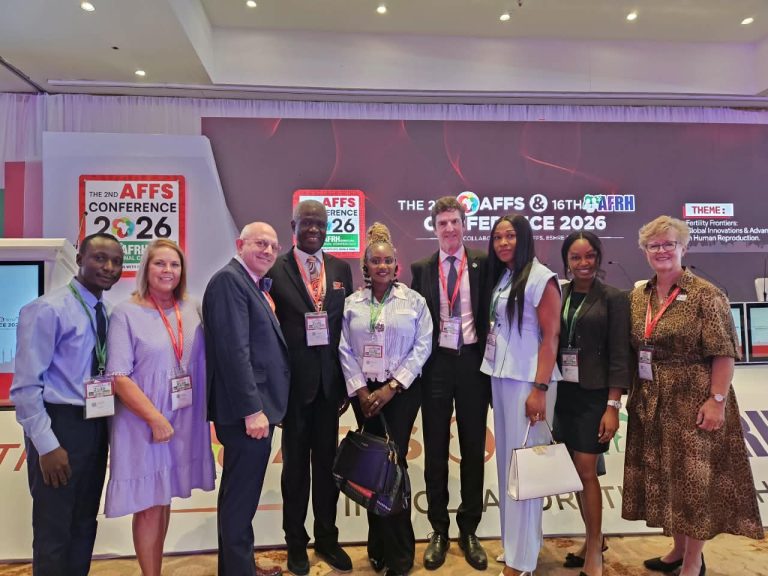
ABUJA, NIGERIA, September 26th 2026– Professor Oladapo A. Ashiru, Secretary General of the International Federation of Fertility Societies (IFFS), has called for greater attention to the role of environmental toxins in infertility and assisted reproduction (ART), and for couples to be assessed and supported before conception. He made the call in an update on preconception cleansing presented at 2nd AFFS ( African Federation of Fertility Societies) and 16th AFRH ( Association for Fertility and Reproductive Health in Abuja Continental Hotel, Abuja, Nigeria in September 26th 2026.
Prof. Ashiru, who is also President of the Academy of Medical Specialties of Nigeria, President of the Africa Reproductive Care Society and Chairman of the MART Group of Health Services in Lagos, told delegates that the air, water, food, soil and everyday products people are exposed to carry a large number of endocrine-disrupting chemicals (EDCs) that can harm sperm, eggs and the developing baby.
Why it matters
The presentation noted that routine semen analysis does not explain an estimated 30–40% of male-factor infertility. Hidden factors such as sperm DNA damage, oxidative stress and epigenetic changes are increasingly recognised as influencing embryo development and live birth, and environmental and dietary exposures act largely through these pathways. Evidence cited in the presentation included:
Sperm DNA fragmentation above 30% is associated with reduced blastocyst formation in IVF.
Agricultural workers exposed to organophosphate pesticides show about 50% higher sperm aneuploidy, and pesticide exposure has been linked to poorer IVF outcomes.
Occupational exposure to bisphenol A (BPA) is linked to a higher risk of low sperm concentration; phthalates have been associated with poorer semen quality.
Lead, cadmium and mercury can accumulate in reproductive tissues; sperm DNA fragmentation was reported to rise by about 8% for each doubling of seminal cadmium.
Air pollution (PM2.5 and NO2) in the 90 days before semen collection was linked to reduced sperm motility, and a 2022 prospective study in China found couples living within 500 metres of a major road had a 15% lower live birth rate per IVF cycle.
A Nigerian and global concern
Prof. Ashiru highlighted the exposure risks facing communities in Nigeria’s oil-producing Niger Delta, including oil spills and pollution of air and water, alongside global drivers such as climate change, mining, deforestation, pesticides and industrial chemicals. He noted that leading bodies, including the International Federation of Gynecology and Obstetrics (FIGO), have issued opinions on the reproductive health impact of toxic environmental chemicals and on the role of obstetricians and gynaecologists in addressing them.
Detoxification before IVF: MART Group findings
The presentation described the preconception detoxification approach used at the MART/MARTLIFE Detox Clinic, based on Modern Mayr Therapy, which combines measures such as lymphatic drainage enhancement, infrared cabin sessions, hydrotherapy, oxygen-based therapies, antioxidant therapy and orthomolecular supplementation. Patients are referred on the basis of their history, occupational exposure or unexplained IVF failure, and are assessed before detoxification and fertility treatment.
In a report published in Global Reproductive Health on managing environmental exposure in clinical practice, Prof. Ashiru and colleagues compared 131 patients who underwent detoxification with 87 who did not. Among those who underwent detoxification, the pregnancy rate was 41.2% versus 31%, the clinical pregnancy rate was 27.5% versus 21.8%, and the live birth rate was 23.7% versus 15%. A separate case report from the clinic documented the removal of heavy metals in a patient before fertility treatment.
Prof. Ashiru said the approach may help remove nutritional toxins and heavy metals, improve mitochondrial quality and minimise the toxic effects of EDCs on ART outcomes, with positive implications for fertility.
Statement
“Every couple deserves to begin their journey to parenthood in the healthiest possible environment. Toxins in our air, food and everyday products can affect sperm and egg quality long before conception, yet they are rarely discussed in the fertility clinic. Assessing exposure and supporting the body before treatment gives couples a better chance of a healthy pregnancy.”
Call to action
Prof. Ashiru called for a combined push on advocacy, public and clinician education, and further research on environmental exposures and fertility. Members of the public are encouraged to speak with a qualified fertility specialist about occupational and environmental exposures, lifestyle and diet when planning a pregnancy.
# # #
Notes to editors
About Prof. Oladapo A. Ashiru: MBBS, MS, PhD, HCLD/CC (ABB-USA), FASN, FNSEM, FAMedS. Secretary General, IFFS; President, Academy of Medical Specialties of Nigeria; President, Africa Reproductive Care Society; Chairman, MART Group of Health Services, Lagos, Nigeria.
About the presentation team: Ifeoma Mmegwa, Mojisola Aderonmu, Oluwole Ogunsola, Kofoworola Eseigbe and Oladapo Ashiru.
About MART Group of Health Services: The Medical Art Center (Mart group of Health Services ) consists of the Mart life Detox Clinic for preconception cleansing, the Medical Assisted .
SB E-news Efficiency


About the Author