 0
0
 0
0
A Psychological, Philosophical, and Ethical Reflection on a Distinguished Nigerian Statesman.
Prof. Adegbenga Onabamiro.
The Statesman Beyond Politics
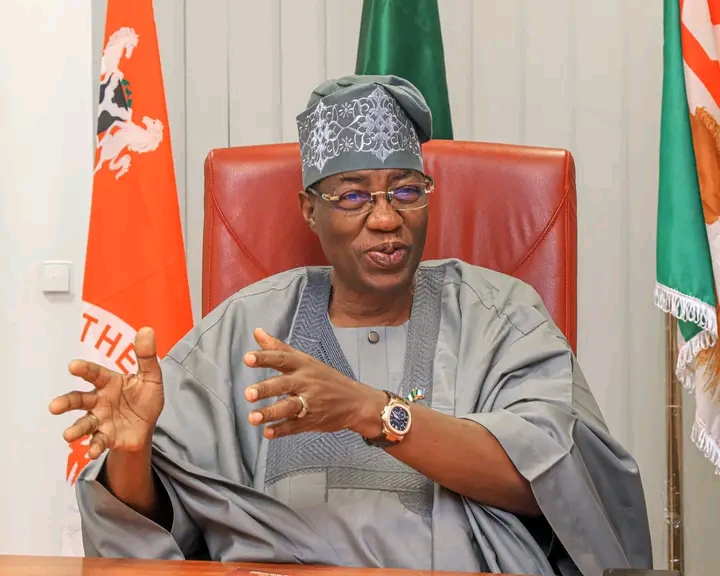
In Nigeria’s evolving political story, few figures embody leadership with as much dignity and depth as Distinguished Senator of the Federal Republic of Nigeria, His Excellency Otunba Justus Gbenga Daniel (OGD).
He is not just a politician; he is an archetype of ethical governance, a blend of intellect, compassion, and administrative wisdom. Described by many as “an achiever from heavenly places,” OGD’s legacy rests on his conviction that leadership must heal, educate, and inspire.
Leadership that Empowers Minds
From a psychological perspective, OGD’s leadership reveals mastery of emotional intelligence — the power to understand, motivate, and elevate others. As Governor of Ogun State, he perceived development as a state of mind before it became a state of infrastructure.
Through job creation, youth empowerment, and educational expansion, he awakened the collective confidence of his people. The universities and higher institutions established under his administration transformed Ogun into Nigeria’s Academic Capital, nurturing generations of thinkers and professionals.
He governed not by intimidation but by inspiration — proving that the psychology of hope is the foundation of progress.
The Ethics of the Common Good
Philosophically, Otunba Daniel’s leadership mirrors the classical idea of eudaimonia — the flourishing of all through virtue and vision. Like Chief Obafemi Awolowo of the old Western Region, OGD understood that politics must serve the common good, not private interest.
His infrastructure revolution — from roads to agriculture, health, and education — reflected a profound moral commitment: that a society’s greatness is measured not by the wealth of its rulers but by the welfare of its people.
Each policy was a statement of belief — that governance, when rooted in justice and empathy, becomes a moral art.
Ethical Leadership: Character as Compass
In an era when public trust is fragile, OGD’s integrity stands as a compass for ethical governance. His record as Governor was marked by transparency and accountability; his transition to the Senate has been marked by continuity of service.
Kant once wrote that one must act only according to principles one wishes to be universal — OGD’s public life reflects this moral law. His people in Ogun East Senatorial District did not just vote for him in 2023; they reaffirmed a covenant of trust built over years of honest service.
The result is evident today: effective representation, dividends of democracy, and a strong alignment with the Renewed Hope Agenda of President Bola Ahmed Tinubu.
*Continuity and Legacy: A Statesman for All Seasons.*
To understand OGD is to see leadership as vocation, not ambition. His return to politics was not driven by personal gain but by a desire to continue building human capacity and institutional strength.
He remains a friend of the masses, a bridge between generations, and a model of visionary administration. The people’s call for his continued service beyond 2027 is therefore both rational and moral — born from the memory of good governance and the anticipation of greater things to come.
The Light That Guides
Psychologically, he empowers minds; philosophically, he enlightens thought; ethically, he ennobles politics. Otunba Justus Gbenga Daniel stands today as living proof that leadership rooted in wisdom, empathy, and virtue can transform a nation’s destiny.
He is not merely from heavenly places by title, but by purpose. His life reminds us that greatness is not measured by power possessed but by goodness expressed.
As Nigeria journeys toward renewal, OGD remains a beacon — the kind of representative every nation desires, and every generation deserves.
SB E-news.


About the Author