0
0
 0
0
The Renewed Hope Government: Transformative Actions in Just 17 Months
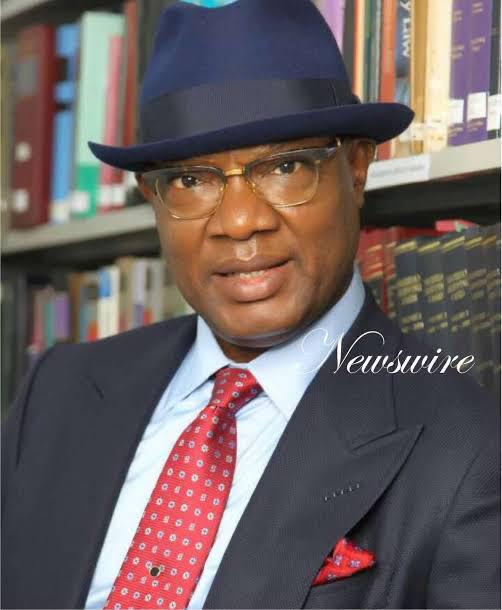
By Abayomi Odunowo 7th October 2024.
Nigeria has long grappled with numerous challenges, including economic instability, inadequate infrastructure, deteriorating healthcare systems, and local governance issues. The populace has been burdened by fuel subsidies that strain public resources and a lack of educational investments that marginalize the future of Nigeria’s youth. Additionally, the nation has been plagued by insecurity, inefficiencies in energy, and a stagnant economy that has left millions vulnerable and disenfranchised.
The dire circumstances have compounded feelings of hopelessness, particularly among younger generations who aspire for opportunities that seem increasingly out of reach. Citizens have demanded a government that acts decisively to resolve these pressing issues, restore public trust, and re-establish Nigeria’s global standing. The discontent has manifested in civil unrest, economic decline, and a significant brain drain as talents seek refuge in more stable environments. Amidst this turbulent backdrop, the need for bold, transformative governance has never been more urgent.
Enter the Renewed Hope Government, whose reign over the past 17 months has been marked by progressive policies and strategic initiatives designed to propel Nigeria towards a brighter future. This administration has undertaken groundbreaking steps to address existing issues while laying a foundation for sustainable development across various sectors.
One of its paramount achievements is the commitment to local government autonomy, which has empowered local authorities to manage their resources effectively, fostering accountability and enhancing citizen engagement. The initiation of a Student Loan Scheme aims to alleviate the financial burdens on students, ensuring equitable access to quality education. The controversial removal of the fuel subsidy presents a bold move that, while initially painful, promises to redirect funds into crucial public services and infrastructure projects.
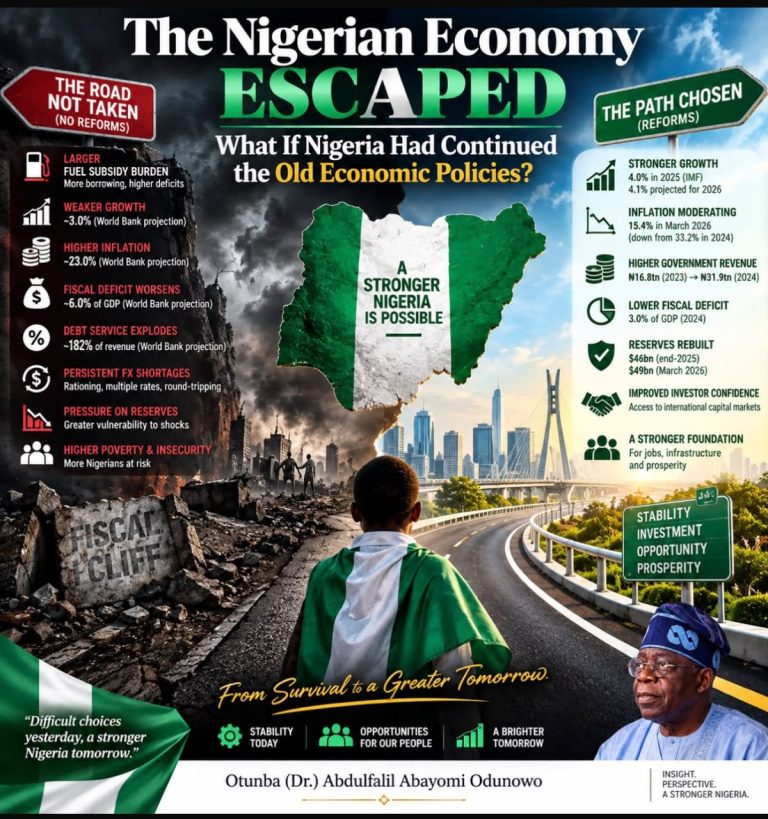
In a demonstration of commitment to innovation, the NASENI-Portland CNG Conversion and Training Centre has been established, signifying Nigeria’s dedication to cleaner energy sources. Economically, the government has successfully increased foreign reserves from $33 billion to $37 billion, enhancing fiscal stability and investor confidence. Additionally, power generation has peaked at a three-year high of over 5,000MW, addressing one of Nigeria’s critical infrastructure gaps and supporting industrial growth.
The government’s efforts to stabilize the economy are further underscored by the clearance of an outstanding N12 billion owed to various national sports teams, and a substantial investment of $100 million in the proposed African Energy Bank. This fuels aspirations to elevate Nigeria as a central player in the African energy sector, further demonstrated through the $7 billion FX backlog clearance,
Furthermore, healthcare initiatives have taken center stage with the ambitious goal of increasing Functional Primary Healthcare Centres from 8,809 to over 17,000, coupled with an investment of N683 billion in tertiary institutions. Additional safety nets, including the N9 billion allocation for group life assurance for federal workers and the clearance of a N18.4 billion assurance fund for fallen servicemen, showcase the government’s commitment to welfare and dignity.
On the infrastructure front, the government has inaugurated major projects, such as the 132KV transmission line in Ondo, and approved contracts for the 1000km Sokoto-Badagry Highway, The relaunching of the Abuja Light Rail commercialization and the construction of the 700km Calabar-Lagos Superhighway have invigorated transportation networks, fostering economic growth and connectivity.
Economic revitalization strategies include the Consumer Credit Scheme and a N75 billion loan for MSMEs, which are crucial for driving domestic production and reducing dependency on imports. With measures that also include the increment of the minimum wage, an increased NYSC allowance, and substantial upgrades to healthcare infrastructure through a $250 million GAVI grant, the Renewed Hope Government has outlined a robust framework for social and economic reform.
The Renewed Hope Government has not merely reacted to Nigeria’s pressing challenges but has proactively implemented a wide-ranging and ambitious agenda. This government’s transformative policies hint at a brighter, more resilient future for Nigeria—one where citizens can thrive, unencumbered by the weight of systemic issues that have long held them back. As the country navigates these significant changes, the hope for a renewed Nigeria is palpable, and the time for collective progress is now.
Otunba Abdulfalil Abayomi Odunowo
National Chairman AATSG.
Mobile: +2349053535322
Monday 7th October 2024.
SB E-news
SB events magazine
Efficiency magazine
Efficiency award for Excellence EAE.
www.sbenews.com.ng
www.efficiency.com.ng
ceo_sbenews@efficiency.com.ng
sbeventnews@gmail.com


About the Author